Kartika month in 2025 begins on Wednesday, 8 October 2025. It ends on Wednesday, 5 November 2025, ending with Kartik Purnima (the full-moon day of Kartika)
Kartika is considered one of the most auspicious months in the Hindu lunar calendar.
It is particularly dedicated to spiritual practices like:
Kartik (also spelled Karthik, Kartika) is the name of the lunar month in the Hindu calendar that usually falls in
October–November (after Ashwin). The name comes from the nakshatra/group of stars
Krittika and is associated with
Lord Vishnu, Lord Krishna and devotional observances. Kartik is considered one of the most sacred months in the Hindu year — a time for purity, devotion, lighting lamps, chanting, temple visits and increased charity.
Temples are decorated, devotees light lamps, sing bhajans, offer worship to Tulsi, and engage in charity.
It is believed that in this month deities descend closer to earth, so worship, lighting, prayers are more effective.
Falling generally in October–November of the Gregorian calendar, Kartik is a month of light, prayer, purification, and community. Across India and among Hindus worldwide, families and temple communities observe a rich tapestry of rituals — from daily lamp-lighting by the Tulsi plant to grand festivals such as Diwali, Govardhan Puja, and Kartik Purnima. For many traditions, especially Vaishnava communities, Kartik is considered the crown jewel of the religious year: small devotional acts performed during this month are believed to yield abundant spiritual merit (punya), and longstanding practices of charity, fasting, chanting, and pilgrimage are encouraged and intensified.
This article offers a comprehensive account of Kartik — its meaning, mythological background, daily and periodic rituals, major festivals and local variations, the spiritual rationale behind observances, recommended charitable practices (dāna), dos and don’ts during the month, and practical guidance for devotees aiming to observe Kartik sincerely. Written to be accessible to readers new to Hindu practice and deeply informative for those who already maintain Kartik observances, the article explores Kartik’s lived religious significance and its continuing cultural importance.
Accumulation of punya (spiritual merit): Simple devotional acts (lighting a lamp, chanting, bathing in sacred rivers) are believed to yield multiplied merit.
Cleansing & discipline: Daily early rising, holy bath and regulated sadhana help purify body and mind.
Strengthening devotion to Vishnu/Krishna: Many Vishnu/Krishna-related festivals fall in Kartik, so devotion naturally intensifies.
Removal of sins / easing karmic burden: Traditional belief holds that sincere vrat (fast), daan and prayers in Kartik reduce the weight of past sins.
Family harmony & prosperity: Regular worship, lighting of diyas, and giving to needy are thought to invite peace and material-spiritual prosperity.
Merit for ancestors: Offerings and pind-daan or tarpan done in Kartik bring punya for departed ancestors.
Note: These are religious-cultural beliefs widely held in Hindu traditions; their spiritual effect is experienced subjectively.
Daily morning sacred bath (Kartik snan) : If possible, take a clean morning bath before sunrise; many take a dip in rivers or a clean bath at home.
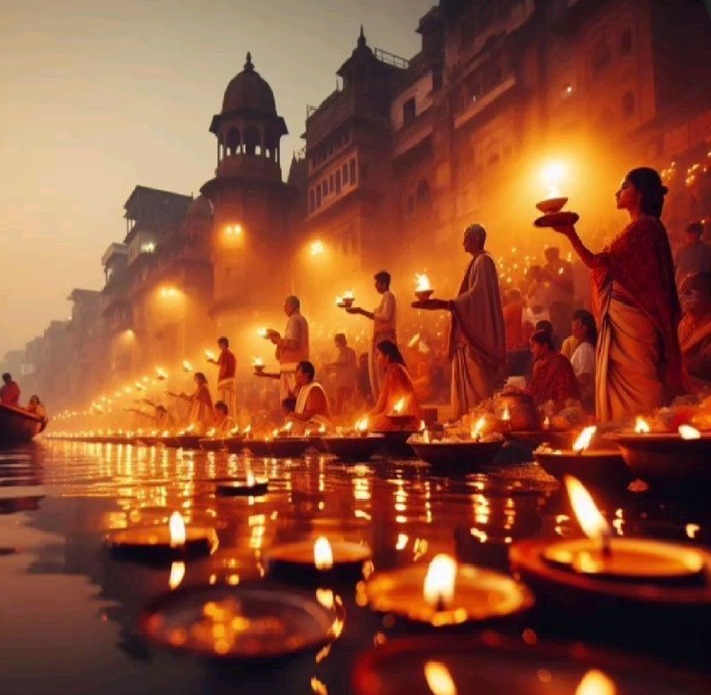
Light lamps every evening (Kartik Deepam): Light oil lamps (deep) after dusk — at home, near Tulsi, and in temples. Lighting lamps daily throughout Kartik is highly meritorious.
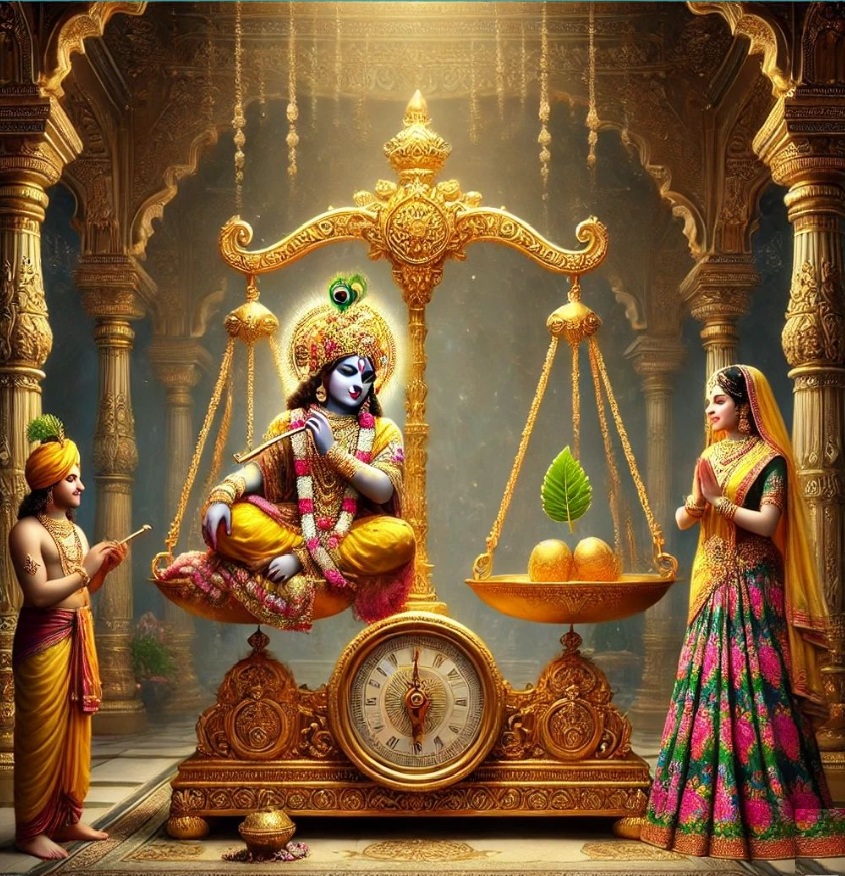
Worship Tulsi (Tulsi Puja): Offer water, flowers, lamps and circumambulate the Tulsi plant daily. Tulsi Vivah (ceremony) often occurs during Kartik.
Avoid non-vegetarian food, alcohol and intoxicants: Many devotees adopt sattvic diet for the month.
Avoid loud music, unnecessary partying and gambling: Kartik is for quiet devotion, not revelry.
Avoid harming animals and being wasteful: Be compassionate and frugal.
Avoid haircuts and major personal grooming (some traditions): Certain families avoid cutting hair or nails on specific auspicious days — follow your local custom.
Avoid arguments, harsh speech and excessive anger: Maintain a calm, devotional mood.
Avoid unnecessary travel on major festival days (if it interrupts sadhana): Attend nearby temples instead.
Light over darkness: Lighting lamps daily is the central outward symbol — representing removal of ignorance and blooming of insight and devotion.
Devotional intimacy (bhakti): Emphasis on chanting, kirtan, and loving remembrance of Vishnu/Krishna.
Purification: Regular holy baths, discipline in diet and speech, and careful conduct cultivate inner and outer purity.
Charity and service: Giving food, oil for lamps, and care for animals/fellow humans are considered spiritually fruitful.
Renewal after dormancy: Kartik often includes the festival (Prabodhini Ekadashi) that marks the end of a period when the deity is ritually considered to be resting; the month therefore celebrates the resumption of divine companionship.
Devotees rise before dawn and take a sacred bath (in rivers or clean water) each day.
This is considered purifying and washes away sins.
Lighting Lamps (Deepa / Deepdan):
Every evening, lighting oil or ghee lamps is encouraged (in temple, near Tulsi, in the home).
Lamps help invoke divine presence and dispel darkness (spiritual metaphor).
Tulsi Worship / Puja / Vivah:
Worship of the Tulsi plant (offering water, flowers, incense) is a daily ideal.
Tulsi Vivah (ritual marriage of Tulsi with Lord Vishnu or Shaligram) is celebrated during Kartik, usually between Prabodhini Ekadashi and Kartik Purnima.
Recitation / Chanting / Bhajans / Kirtans:
Reciting Vishnu / Krishna stotras, Damodar Ashtakam, chanting mantras like Om Namo Narayanaya, Hare Krishna etc.
Tulsi Vivah (ritual marriage of Tulsi with Lord Vishnu or Shaligram) is celebrated during Kartik, usually between Prabodhini Ekadashi and Kartik Purnima.
Scripture reading / Puja:
Reading Bhagavad Gita, Puranas, especially Vishnu-related or Krishna-related texts.
Doing daily puja (offering water, incense, flowers) to one’s deities.
Fasting & Vrats:
Observing Ekadashi fasts (especially Dev Uthani / Prabodhini Ekadashi).
Some observe partial fasts on auspicious days (e.g. Chaturthi, Pradosh, etc.).
In the later days, devotees follow Bhishma Panchaka (fasting in last five days of Kartik) in Vaishnava tradition.
Charity / Daan:
Giving oil for lamps, ghee, lamps/diyas, food, clothes, support to priests or temples.
Feeding cows, donation to gaushalas, care of plants, giving to needy.
Below is a list of important festivals, fasts, and observances in Kartik 2025, as per Panchang references. (Always check your local calendar & timings.)
DATE / TITHI
FESTIVAL / VRAT/ OBSERVANCE
REMARKS
October 10, 2025
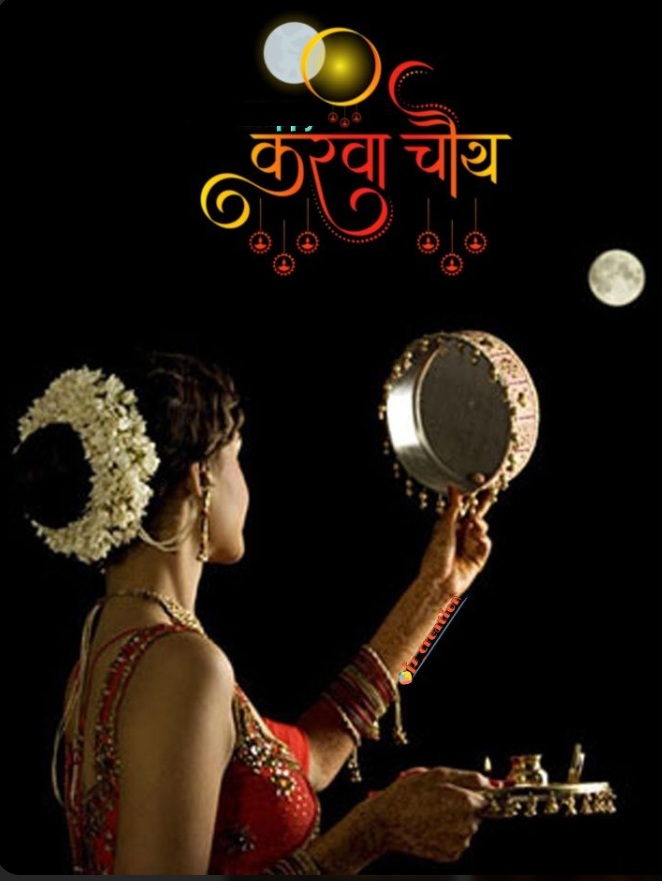
Karwa Chauth & Sankashti Chaturthi
Married women fast & pray for their husbands’ long life.
October 11, 2025
Rohini Vrat
A fast or observance connected with Rohini Nakshatra.
October 13, 2025
Kalashtami, Ahoi Ashtami
Especially in North and Gujarat, Ahoi Ashtami fast is observed by mothers for children.
October 17, 2025
Govatsa Dwadashi, Rama Ekadashi, Tula Sankranti
Govatsa (cow worship), Ekadashi fast, and Sun’s transit (Tula) observed.
October 19, 2025
Masik Shivaratri, Kali Chaudas
Observances in Shaiva traditions.
October 20, 2025
Kartik Amavasya (New Moon) / Diwali (Lakshmi-Ganesh Puja, Naraka Chaturdashi)
A key festival — lighting up homes, worship, celebration.
October 21, 2025
Kartik Amavasya (New Moon) / Diwali (Lakshmi-Ganesh Puja, Naraka Chaturdashi)
A key festival — lighting up homes, worship, celebration.
October 22, 2025
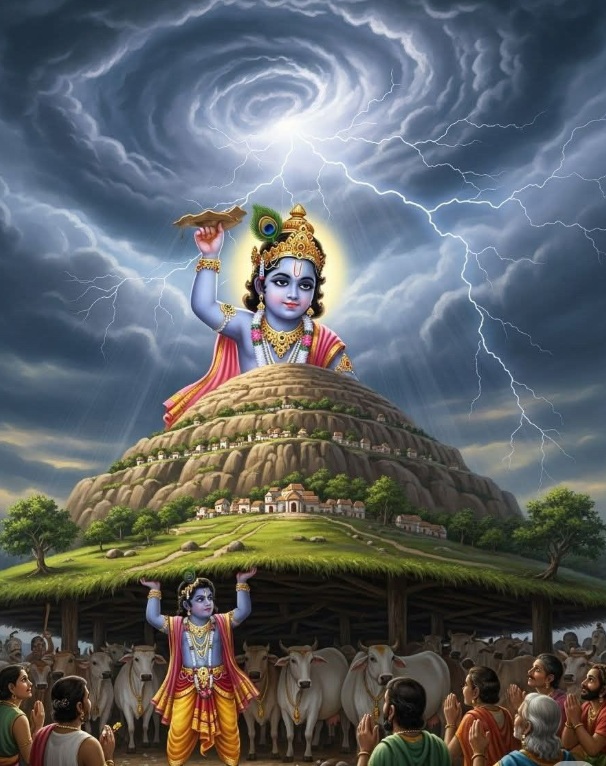
Annakoot / Govardhan Puja
Offering large food (Annakut) to Krishna; worship of Govardhan Hill.
October 23, 2025
Bhai Dooj
Festival celebrating the bond between brothers and sisters.
October 27, 2025
Chhath Puja
Especially in Bihar / East, worship of Sun god, offering prayers at riverbanks.
October 30, 2025
Akshaya Navami
Auspicious day for charity, worship, new beginnings.
November 1, 2025
Prabodhini Ekadashi (Deva Uthani Ekadashi)
Awakening of Vishnu, end of Chaturmasya, marriages begin.
November 2, 2025
Tulsi Vivah
Ceremony uniting Tulsi with Vishnu / Shaligram.
November 5, 2025
Kartik Purnima / Dev Deepawali
Grand full moon festival, lighting of lamps, bathing in sacred rivers, celebrating gods’ descent.
Kartik Month is a divine gift—a sacred opportunity to cleanse, renew, and uplift one’s soul.
It combines devotion, discipline, and joy, blending family celebration with deep spirituality.
By taking holy baths, lighting lamps, worshipping Tulsi, fasting, chanting, and performing charity, devotees transform this month into a journey toward inner awakening and divine connection.
Thus, Kartik is not just a month; it is a spiritual pilgrimage of the heart, guiding every soul toward the light of truth, love, and liberation.
Among the twelve months of the Hindu lunar calendar, Kartik Month (also spelled Kārttika, Kartika, Karthik, or Karthika) holds a very special spiritual and religious place. It is regarded as the holiest month for worship, fasting, charity, and self-purification.
In the Gregorian calendar, Kartik generally falls between October and November. The month starts from the day after Sharad Purnima and ends on Kartik Purnima.
This month is believed to be dear to Lord Vishnu and also associated with Lord Shiva, Lord Krishna, and Goddess Tulsi. Scriptures like the Padma Purana and Skanda Purana describe Kartik month as the time when divine blessings multiply a thousand times over for those who engage in pious acts.
We hope this has tried to clear up some of the confusion about Kartik month. First of all, you will have to know about the Meaning of Kartik.
Among the twelve months of the Hindu lunar calendar, Kartik Month (also spelled Kārttika, Kartika, Karthik, or Karthika) holds a very special spiritual and religious place. It is regarded as the holiest month for worship, fasting, charity, and self-purification.
In the Gregorian calendar, Kartik generally falls between October and November. The month starts from the day after Sharad Purnima and ends on Kartik Purnima.
The importance of Deep Daan on Tulsi lies not just in tradition but in its transformative power.
It is an act of surrender, gratitude, and illumination. Anna-daan Distribute cooked meals or grain to the poor, monks, or temples, Dry ration kits,. Ghee / oil for temple lamps, Diyas/lamps & wicks- Provide lamps for artisans or temples to keep lighting them. Offerings to Tulsi and temple priests. Clothing & basic needs, vastra-daan Donate blankets, warm clothes (especially useful in winter months). Shelter / bedding for the needy, Cow protection donations: Feed cows, donate to gaushalas (cow shelters), or provide fodder.
You still have any question, feel free to ask me via comments or via email.
Don`t forget to share what you like here on
Youtube,
Facebook, Instagram with your friends and family.
At DivineNewz, a spiritual and temples news related information providers, is working on the project to work for religion and information about the temples to share with you to bring new ideas about spiritual and religious world.
Divinenewz is a firm Working very proficiently for sharing the divinely knowledge, darshan and pilgrim details and many more in spiritual field. If you have any unique temple and divine place around the globe, then contact us at divinewisdom0608@gmail.com, divinenewz6@gmail.com, or




One thought on “Kartik Month 2025 – meaning, Rituals, festivals & Celebrations in Hindu Tradition”