The Hindu calendar is deeply rooted in natural cycles, cosmic rhythms, and spiritual practices. Each month in the lunar calendar carries profound cultural and religious significance. Among these,
Ashwin month—also called
Ashvina in Sanskrit—holds a very special place. Falling between
September and October in the Gregorian calendar, Ashwin marks the arrival of
Sharad Ritu (autumn season). It is a time of transition, balance, celebration, and devotion.
Ashwin (Ashvina, Ashwayuja, Aśvinā) is among the most celebrated months of the Hindu lunar year. It ushers in
Sharad Ritu (the clear, cool autumn season after the monsoon) and is a concentrated period of devotion, festivals, fasts, cultural performances and family rituals across India and the Hindu world. In 2025 this month carries its usual spiritual intensity —
Navratri and Durga Puja, the grand public
celebrations of Shakti; Vijayadashami (Dussehra), the theatrical retelling of the Ramayana; Sharad Purnima’s luminous moonlit rites; and other fasts and family observances that bind communities together.
Here, I gives a date-anchored, richly detailed account of
Ashwin Māsa 2025 — its start and end, the important related periods (like Pitru Paksha), major festivals and their muhurats, the key rituals and vrat (fast) practices, classical and folk stories tied to these festivals, regional variations, astrological/seasonal notes, and practical guidance for devotees today.
Sharad Navratri (Sharadiya Navratri) 2025: begins 22 September 2025 (Pratipada) — nine days of Navratri.
Durga Puja (major days) (observed in many regions across late Sep – early Oct): main rituals around 27–30 September 2025 (regional variations exist; Mahalaya and the full Durga-Puja period includes days before and after).
Vijayadashami / Dussehra 2025:
2 October 2025 (pan-India observance and public holiday).
Hindu festivals follow lunisolar (panchānga) calculations, so some local calendars and communities may vary by a day depending on sunrise, local time zone and whether they follow amanta or purnimanta month conventions. The dates above use commonly followed panchānga reckonings for much of India in 2025; individual temple calendars or family traditions might show slight local shifts
Ashwin (Sanskrit: Aśvinā / Aśvina) is the lunar month that commonly overlaps September–October in the Gregorian calendar. The month is linked to the Ashvini (Aśvinī) nakshatra / the Ashwini Kumaras — the twin divine physicians in Vedic lore — and so is associated with healing, renewal and the restoration of balance.
Pitru Paksha relation: Pitru Paksha—an important fortnight for śraddha (ancestor rites) — usually falls immediately before or overlaps with the transition into Ashwin in certain regional reckonings. In 2025 Pitru Paksha took place in
early–mid September (7 – 21 September 2025), concluding on Mahalaya / Sarvapitri Amavasya before the major Sharad festivities began.
Seasonal transition: After the lush, sometimes overpowering monsoon, Sharad (autumn) brings clarity, cooler weather and a harvest-ready landscape — a natural metaphor for spiritual clarity, harvest of the soul’s discipline and reward for devotion.
Healing & restoration: link to the
Ashvini Kumaras, the divine physicians, makes the month apt for remedies, vow-making for wellbeing, and rituals to cure both physical and karmic ailments.
Shakti and Dharma: Sharad Navratri and Durga Puja place the goddess (Devi) at the center — Ashwin becomes the month where
feminine cosmic power Shakti) is especially invoked for the restoration of righteousness and balance.
Below are the major festivals observed in Ashwin 2025. I list the commonly followed dates and then explain meaning, traditional rituals, regional variants and the core stories that animate each festival.
Nine-day vrat (fast): many women (and some men) observe dietary restrictions or full fasts — types vary from full upavasa to selective food restrictions.
North India: Ramlila (dramatic performances of the Ramayana) often run in parallel, culminating in Dussehra.
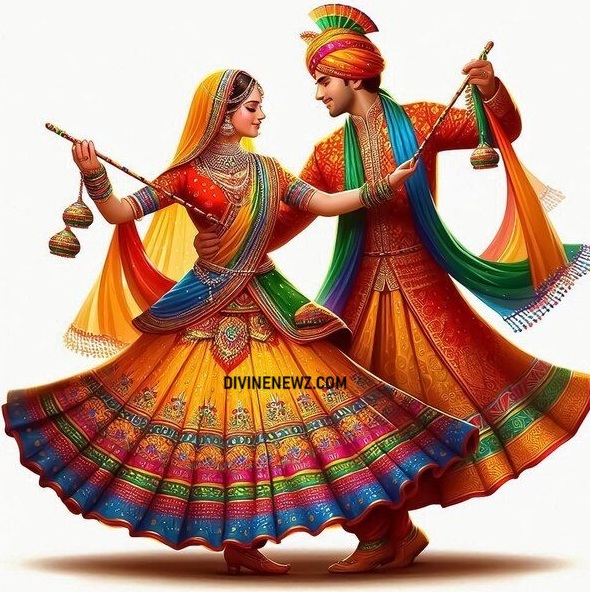
Gujarat: nine nights of Garba /Dandiya reflect a strong social dance tradition honoring the Devi.
South India: Golu (display of dolls) in Tamil Nadu/Andhra showing mythic tableaux; Ayudha Puja (worship of tools/instruments) often observed during Navratri’s latter part.
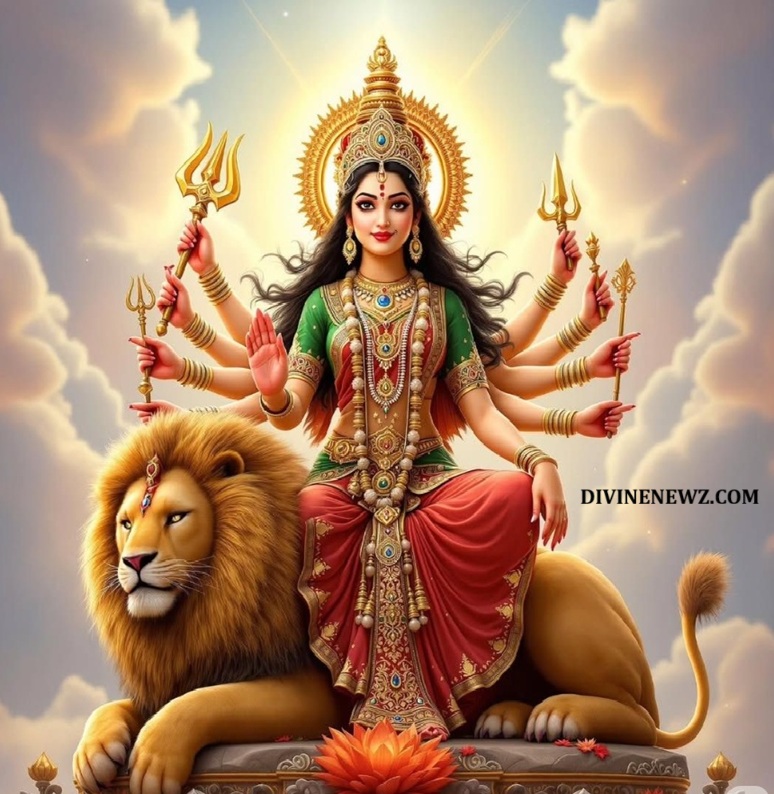
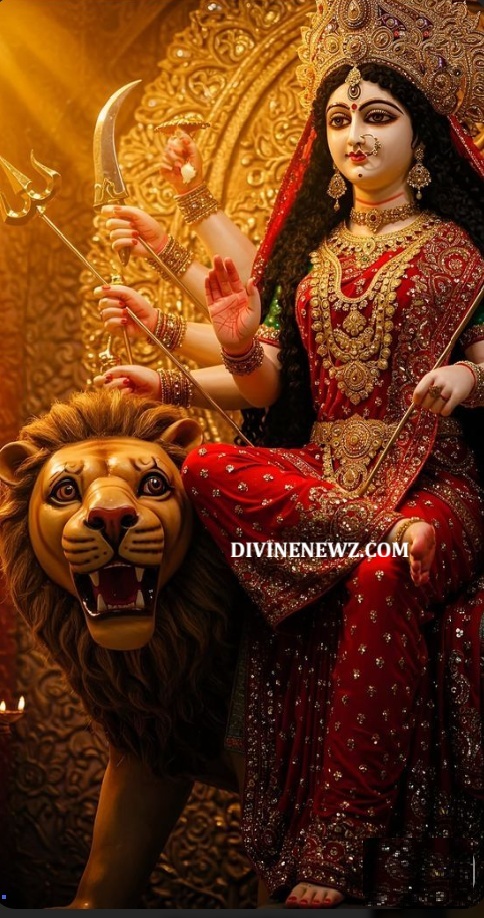
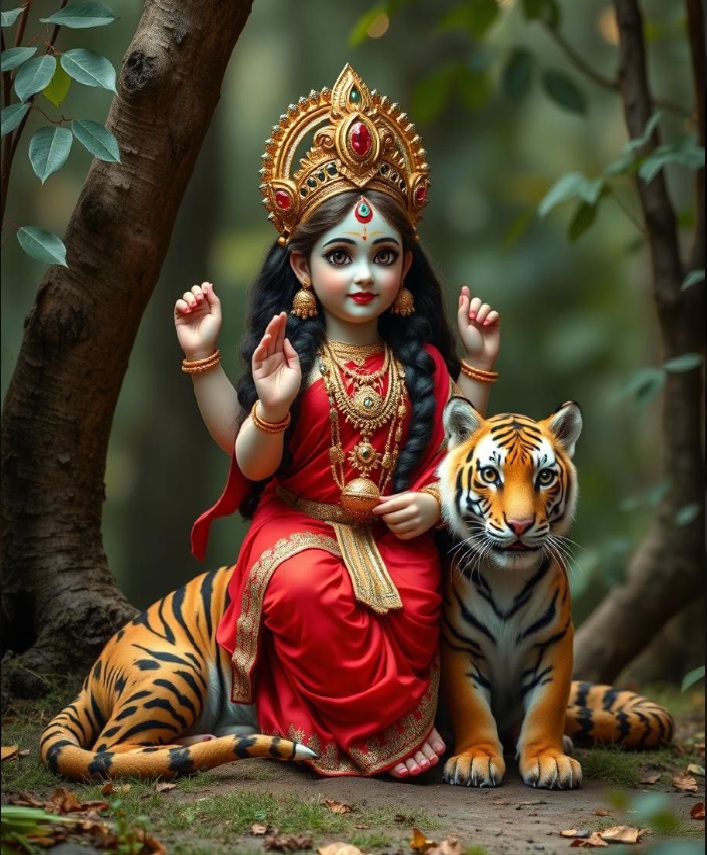
Navratri celebrates the many forms of the Devi who defeats various kinds of tamasic (dark) forces — culminating in the narrative of Durga’s victory over the buffalo-demon Mahishasura (as told in the Devi Mahatmya, from the Markandeya Purana).
Durga Puja is the most spectacular expression of Navratri in eastern India (West Bengal, Assam, Odisha, Bihar, Tripura), and in metropolitan diasporas worldwide. It blends deep ritual with exuberant public culture. In 2025 the Durga Puja calendar and key muhurats were published for the festival period that coincides with late September and the start of October.
Durga Puja visually and narratively reenacts the Devi’s manifestation to slay Mahishasura. It also commemorates the homecoming of the goddess to her parental home (a theme treated in Bengali tradition), making it both metamythic and intimately familial.
Core significance: Dussehra or Vijayadashami celebrates the triumph of Rama over Ravana (symbolic of dharma’s victory over adharma). In other communities it also commemorates Durga’s victory over Mahishasura — thus bridging Vaishnava and Shakta traditions.
Effigy burning: In North India, giant effigies of Ravana, Kumbhakarna and Meghnath are burned amidst fireworks following recitals from the Ramayana (Ramlila).
Ayudha Puja: in many South Indian homes/businesses, tools, instruments and vehicles are worshipped on this day — an acknowledgement of the divinity of work and skill.
Processions & plays: community processions, recitations and stage-plays dramatize the Rama story; in many towns this is the culmination of extended Ramlila cycles.
Story : The canonical story is the Ramayana’s conclusion: Rama rescues Sita, defeats Ravana, and returns to Ayodhya — the homecoming and the moral restoration.
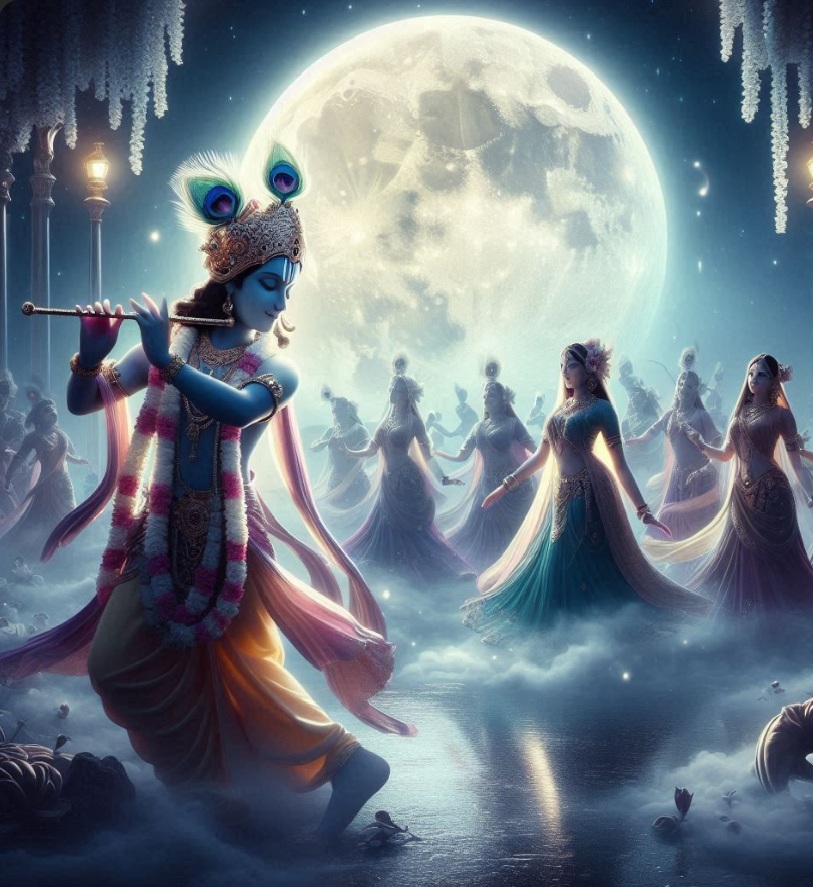
Sharad Purnima celebrates the full moon of Sharad and is associated with the moon’s healing energy, wealth (Lakshmi) and romantic/vaishnava lore (Krishna–Raas). In many regions it’s also called Kojagari Purnima — the night the goddess Lakshmi descends and asks “Ko jagarti?” (“Who is awake?”). Devotees who remain awake and worship receive her blessings.
Common rites: prepare kheer (milk-and-rice sweet) and leave it under the full moon (believed to infuse it with beneficent energy), sing bhajans, observe night-long vigil. Some regions perform fasting or partial fast during the day.
Cultural notes (2025): public panchānga calendars and drikpanchang listings identify the purnima muhurats for Sharad Purnima; local variation can occur depending on the moon’s tithi and night-time times.
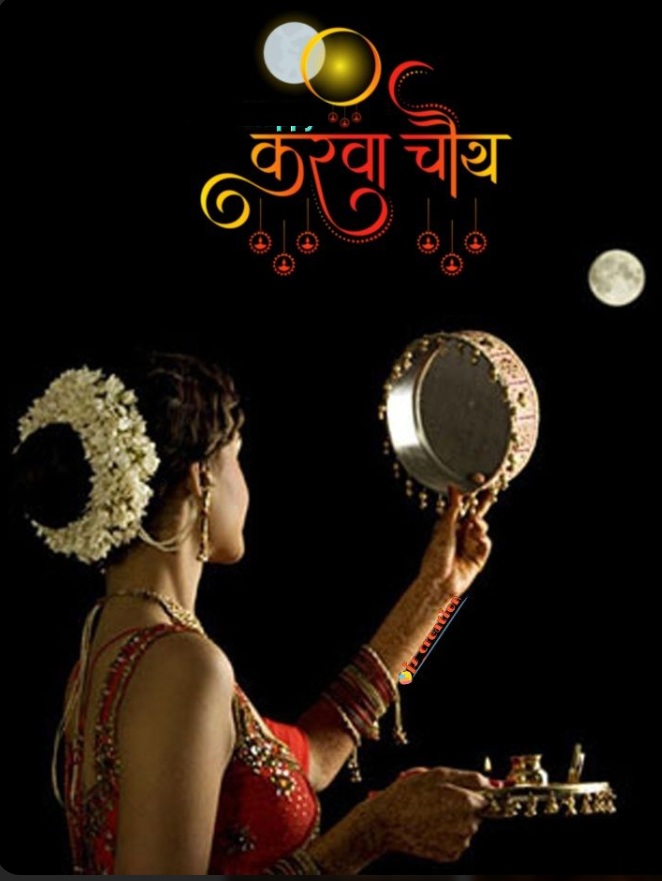
Karva Chauth (2025 date recorded on civil calendars): a women-centered fast for marital longevity — often falls in the latter half of Ashwin/early Kartik depending on the lunar cycle (Karva Chauth 2025 observed on 10 October 2025 per major panchāngas).
Ahoi Ashtami, Papankusha Ekadashi and Sankashti Chaturthi : are other vrat days within or around Ashwin that communities observe, each with its own story and procedural rules.
A fortnight (paksha) for honoring ancestors when descendants perform shraddha (ritual offerings), tarpan (water offerings), and charity to secure peace and release for departed forebears. It is considered an essential dharmic duty (pitru dharma).
2025 window: Pitru Paksha in 2025 occurred roughly
7–21 September (finishing on Sarvapitri Amavasya / Mahalaya), immediately before much of the Sharad ceremonies. The final amavasya (Mahalaya Amavasya) is a particularly powerful day for ancestor rites.
Tarpan & pind-daan: water oblations and offering of cooked rice-ball pindas to the ancestors. These rites are believed to relieve familial karmic debts and assist ancestors’ onward journey.
Feeding brahmins and giving charity : (annadanam, daan of sesame, rice, and clothes) are important components.
Pilgrimage & river rites : many devotees perform pitru rites at sacred rivers, particularly confluences (sangam) like Prayagraj — these sites hold extra merit during Pitru Paksha. (News and cultural writing in 2025 highlighted the ongoing pilgrim flows during this period.)
Pitru Paksha situates Ashwin’s festivals within a moral frame: before celebrating the Devi’s victories and harvestal abundance, the community pauses to honour the human line of origins.
A kalash (pot) is installed :
with sacred water, mango leaves and coconut to symbolically host Devi — rituals begin from the first Navratri day in many homes.
A demon Mahishasura, by boon and arrogance, afflicts gods and humans. The Trimurti and all devas combine their energies into the Devi — Durga — who takes multiple forms and weapons from gods and finally slays Mahishasura. This myth is canonical in the Devi Mahatmya (part of Markandeya Purana) and is recited widely during Navratri and Durga Puja as a meditation on the feminine force that upholds cosmic law.
Ravana’s abduction of Sita and Rama’s quest, aided by Hanuman and the vanara-sena, culminates in Ravana’s defeat. The moral is the rectification of cosmic order (dharma) through righteous action and devotion.
The Aśvini Kumaras — twins who heal gods — symbolize medicine and restoring wholeness. Their presence in the month’s name connects Ashwin to restoration rituals, vows for health, and remedial rites in Ayurveda and folk medicine.
Myths vary regionally: in some, Krishna danced the Raas on Sharad Purnima and his flute’s sweetness was at full bloom; in others,
Lakshmi’s descent to test who remains awake colors Kojagari Purnima. These stories underline Sharad Purnima’s association with prosperity, nocturnal devotion, and lunar potency.
Shraddha rites are motivated by the filial imperative: ancestors (pitrs) continue to watch over lineages; honoring them repays obligations and sustains family karmic health. Stories of neglected shraddha leading to misfortune, or of proper shraddha bringing boons, abound in regional lore.
North (UP, Bihar, Rajasthan, MP) — Ramlila & Dussehra:
Ramlila – plays often run for weeks culminating in effigy burnings on Vijayadashami; fairs and community feasts animate towns.
West (Gujarat, Maharashtra) — Garba, Dandiya & Lakshmi royalty:
Garba nights – for Navratri; Gujarat’s rhythmic circle dances are social-bonding practices. Maharashtra’s Kojagari traditions focus on Lakshmi worship and moon-vigil.
Golu doll displays – (Kolu) in south Indian homes presenting epic tableaux; Ayudha Puja worships tools/artifacts. In Karnataka and Kerala, special temple rituals and music festivals coincide with Sharad Navratri.
Tribal & folk permutations:
Local goddess cults and village-level navaratri-like rites (with unique masks, dances and rural dramaturgy) preserve very old forms of goddess devotion.
If you wish to observe Ashwin in 2025 with depth and authenticity, here’s a practical, humane list of suggestions mixing ritual care, cultural respect and personal wellbeing.
Preparation (before the month begins):
Consult your local
panchānga or trusted temple for precise muhurats and local variations (for example, Navratri start time, Durga Puja vidhi, viewing of Mahalaya). Use reliable local calendars to align timings.
Prepare your
kalash (clean pot, mango leaves, coconut), puja cloths, lamp, and a small shrine or dedicated corner for Navratri/Durga puja.
If family tradition calls for shraddha, perform indicated rites or sponsor priest services if you are not trained; if not, giving food and charity to the needy in ancestors’ names is a meaningful alternative.
Prepare kheer with clean ingredients; place it on a covered tray at moonrise where it receives moonlight (follow local food safety practices — do not leave milk-sweets dangerously exposed in hot weather). Participate in satsangs, sing bhajans or quietly reflect.
Give food, clothes, and money to credible charities; support cultural groups that produce community productions (Ramlila, pandals) to keep local artforms alive
Ashwin bridges humid monsoon and dry winter — health advice from Ayurveda and seasonal common-sense helps devotees maintain balance:
Diet:
shift to lighter, slightly warming foods as the weather cools — continue seasonal vegetables, grains; avoid too cooling/sour foods at night.
Sleep & moon nights:
moonlit nights can be spiritually energizing but ensure rest; if keeping vigil, manage safety and hydration.
Yoga & pranayama:
calming breathing practices, mild asanas and meditation fit this reflective season.
Immunity & healing:
rituals invoking the Ashwini Kumaras are traditionally linked to prayers for health; combine devotion with sensible health measures (timely vaccinations, doctor visits when needed).
Ashwin Māsa 2025: 22 September 2025 – 21 October 2025 (approx., per commonly followed calendars).
Sharad Navratri (first day): 22 September 2025 (Pratipada / Day 1).
Durga Puja main period (regional muhurats vary):
major feast days cluster late Sep to early Oct 2025 (check temple/pandal notices for exact times; Durga Puja calendars publish specific day-by-day rituals).
Vijayadashami / Dussehra: 2 October 2025
(public holiday in many Indian states).
Pitru Paksha (Shraddha) 2025 :
roughly 7–21 September 2025 (Mahalaya / Sarvapitri Amavasya around Sept 21—confirm local muhurat).
(For muhurat-specific puja windows — like Sandhi Puja, Nishita timings for Sharad Purnima, Karva Chauth moon-sighting times — consult your trusted local panchānga or temple because they calculate exact tithis and nakshatra by city/time.)
The Ashwin month (September–October) is considered one of the holiest months in Hinduism, packed with spiritual practices, rituals, and major festivals. Observing the customs of Ashwin brings not only religious merit (punya) but also physical, mental, and social benefits. Here’s a detailed breakdown of the benefits of Ashwin month:
Victory of Dharma:
Since Ashwin hosts Navratri, Durga Puja, and Dussehra, it reinforces the triumph of good over evil.
Purification of soul:
Fasts, prayers, and daan (charity) performed in this month purify past karmas.
Ancestor blessings:
Observances of Pitru Paksha (ending in early Ashwin) ensure peace and moksha for ancestors while granting blessings to descendants.
Grace of Goddess Durga & Lakshmi:
Worship during Navratri and Sharad Purnima invites divine blessings, protection, and prosperity.
Navratri fasting:
Cleanses the body and uplifts spiritual energy. Devotees receive Goddess Durga’s blessings for courage and wisdom.
Durga Puja & Vijayadashami:
Performing rituals in honor of Devi and Lord Rama is believed to remove obstacles and give strength to fight personal challenges.
Sharad Purnima:
Staying awake in devotion on this night and consuming moon-charged kheer brings health, wealth, and longevity.
Karva Chauth & Ahoi Ashtami:
Protects family harmony, strengthens marriage, and ensures the well-being of children.
Seasonal balance:
Ashwin falls in Sharad Ritu (autumn), a time Ayurveda recommends detoxifying the body. Fasting aligns with natural rhythms and boosts immunity.
Mental clarity:
Meditation, mantra chanting, and pujas performed during this month bring peace of mind and reduce stress.
Healing energy:
The moonlight on Sharad Purnima is believed to carry cooling, nourishing properties beneficial for health.
Ashwin month is a season of devotion, discipline, and celebration. Its benefits are multidimensional—bringing spiritual upliftment, physical health, family harmony, social unity, and divine blessings. Observing rituals and participating in festivals during Ashwin is believed to pave the way for a prosperous, peaceful, and spiritually enriched life.
Ashwin in 2025 — like every year — threads together devotion, seasonal shift, family duty and social artistry. It is a time to pause, respect origins (Pitru Paksha), call upon protective power (Navratri & Durga Puja), affirm moral order (Dussehra), and enjoy full-moon blessings (Sharad Purnima). For many Hindus, Ashwin is the spiritual apex of the year: the work of harvest and repair meets the work of inner purification. The month’s rituals and stories continue to teach resilience, community responsibility, and the celebratory forms of faith.
We hope this has tried to clear up some of the confusion about Ashwin month. First of all, you will have to know about the meaning of Ashwin Month more than a religious Month.
The name Ashwin is derived from the Ashwini Kumars, the twin sons of Surya (the Sun God) and his wife Sanjana. Known as the celestial physicians of the gods, the Ashwini twins symbolize healing, vitality, and rejuvenation. This association makes Ashwin month auspicious for seeking health, prosperity, and spiritual renewal.
Ashwin (Sanskrit: Aśvinā / Aśvina) is the lunar month that commonly overlaps September–October in the Gregorian calendar. The month is linked to the Ashvini (Aśvinī) nakshatra / the Ashwini Kumaras — the twin divine physicians in Vedic lore — and so is associated with healing, renewal and the restoration of balance.
Navratri celebrates the many forms of the Devi who defeats various kinds of tamasic (dark) forces — culminating in the narrative of Durga’s victory over the buffalo-demon Mahishasura (as told in the Devi Mahatmya, from the Markandeya Purana).
Daily puja to a different form – Durga (Shailaputri, Brahmacharini, Chandraghanta, Kushmanda, Skandamata, Katyayani, Kalaratri, Mahagauri, Siddhidatri).
You still have any question, feel free to ask me via comments or via email.
Don`t forget to share what you like here on
Youtube,
Facebook, Instagram with your friends and family.
At DivineNewz, a spiritual and temples news related information providers, is working on the project to work for religion and information about the temples to share with you to bring new ideas about spiritual and religious world.
Divinenewz is a firm Working very proficiently for sharing the divinely knowledge, darshan and pilgrim details and many more in spiritual field. If you have any unique temple and divine place around the globe, then contact us at divinewisdom0608@gmail.com, divinenewz6@gmail.com, or