December Month, according to the Gregorian calendar, does not directly correspond to any single month in the traditional Hindu lunar calendar, but it usually overlaps with two important Hindu months:
Margashirsha (also called Agrahayana)
Pausha
Because Hindu calendars are lunar or luni-solar, their months shift each year relative to December. Still, the spiritual atmosphere, seasonal energy, and religious significance connected to December remain important in Hindu tradition.
Hindu calendars are lunar (panchānga) or lunisolar, so months shift relative to the Gregorian calendar.
Roughly speaking, the Gregorian December generally overlaps the Hindu months Margashirsha (also called Agrahayana) and Pausha, depending on the year and whether you follow the amanta or purnimanta reckoning. Because of this, specific festival dates and monthly observances vary from year to year and by region.
December in India is part of the winter season. Cold, quieter days naturally encourage inwardness, study, and contemplation — qualities valued in many Hindu spiritual practices.
In symbolic language, this is a time of withdrawal (antarmukha): farmers rest after harvest in many regions, people slow down social activity, and religious life often turns toward home worship, chanting, reading scriptures, and austerities.
The month falls close to the winter solstice (around Dec 21). Many Hindu thinkers and poets use this turning point of the year as a metaphor for spiritual rebirth — darkness gives way to returning light.
Scripture reading and satsang: Devotees frequently intensify reading of sacred texts (Bhagavad-Gita, Puranas, Ramayana) and participate in satsang, kirtan, and bhajan sessions. The cooler months are considered favourable for long nightly gatherings.
Vrata and Ekadashi observances: The period includes one or more Ekadashi fasts and other monthly vratas; fasting, restraint, and increased prayer are common.
Charity and dana: Giving to the needy, feeding pilgrims, and temple donations rise during winter months. Many see winter as a time to perform dana because physical hardship for vulnerable people is greater.
Pilgrimage and holy baths: Winter pilgrimages to rivers and temples continue — though some pilgrimage seasons focus on cooler months because travel is easier than in the monsoon. Ritual baths (snana) in sacred rivers remain important when they coincide with festival days.
Because Hindu festivals follow lunar/solar Hindu calendars, names and exact timings change each year. Still, the December window commonly hosts or borders a number of observances — regionally different — such as:
Margashirsha observances : The month of Margashirsha is often associated with reverence to Vishnu and scriptural study in many traditions. Devotees may observe special pujas or recitation cycles.
Gita-related commemorations: Some communities celebrate events connected with the Bhagavad-Gita around this period (Gita Jayanti or recitation gatherings), though precise timing varies.
Local fairs and winter festivals: Many towns and pilgrimage centres hold winter melas (fairs), kirtan festivals, and temple anniversaries. The names and customs are regionally specific.
Important: exact festival names and dates must be checked with a current panchānga (Hindu almanac) for the given year and locality, because Hindu months and festival timing shift relative to the Gregorian calendar.
Community bonding : Longer evenings and temple gatherings strengthen community ties through collective prayer, charity, and cultural programs.
Austerity and discipline : The cooler season encourages tapasya — deliberate discipline such as fasting, silence (mauna), or reduced comforts — seen as helpful for spiritual progress.
Preparation for new cycles : December functions as a time to close old activities and prepare for the brighter months ahead (both agriculturally and ritually). It’s often used to set spiritual intentions for the coming year.
Read a chapter a day from a chosen scripture or attend weekly satsang.
Do simple acts of dana: feed at a local temple, contribute to community kitchens, or support elders in your neighborhood.
Observe one vrata or Ekadashi with sincerity rather than many rituals mechanically.
Use the quieter season for learning — Sanskrit chants, devotional songs, or a study group.
December’s “meaning” in Hinduism is less about the name on the Gregorian calendar and more about the seasonal and spiritual mood it brings: inwardness, study, charity, and preparation. It is a season well-suited to devotion (bhakti), discipline (tapas), and communal care — a pause when many devotees deepen practice, recite scripture, and ready themselves for the return of greater light and activity in the year ahead.
DECEMBER 2025 – HINDU FESTIVALS
DATE
DAY
FESTIVAL
DESCRIPTION
SHUKAL/ KRISHAN
SIGNIFICANCE
1 DEC
Monday
Gita Jayanti
Ekadashi Tithi Begins – 09:29 PM on Nov 30, 2025
Ekadashi Tithi Ends – 07:01 PM on Dec 01, 2025
SHUKAL PAKSH
Gita Jayanti day symbolizes the birth of Srimad Bhagavad-Gita, the sacred text of the Hindus.
1 DEC
Monday
Mokshada Ekadashi
– Ekadashi Tithi Begins – 09:29 PM on Nov 30, 2025
Ekadashi Tithi Ends – 07:01 PM on Dec 01, 2025
SHUKAL PAKSH
At times Ekadashi fasting is suggested on two consecutive days. It is advised that Smartha with family should observe fasting on first day only. The alternate Ekadashi fasting, which is the second one, is suggested for Sanyasis, widows and for those who want Moksha. When alternate Ekadashi fasting is suggested for Smartha it coincides with Vaishnava Ekadashi fasting day.
Ekadashi fasting on both days is suggested for staunch devotees who seek for love and affection of Lord Vishnu.
2 DEC
Tuesday
Matsya Dwadashi
Dwadashi Tithi Begins – 07:01 PM on Dec 01, 2025
Dwadashi Tithi Ends – 03:57 PM on Dec 02, 2025
SHUKAL PAKSH
Shukla Paksha Dwadashi Tithi of Margashirsha month is celebrated as Matsya Dwadashi. Based on the Matsya Avatara of Lord Vishnu, this day is called Matsya Dwadashi. Among the ten principal incarnations, i.e., Dashavatara of Lord Vishnu, Matsya is regarded as the first incarnation. Observing a Vrat and performing worship dedicated to Lord Vishnu on this day bestows immense and multiplied spiritual merit. Hence, the Dwadashi Vrat is highly praised in the scriptures.
2 DEC
Tuesday
Bhauma Pradosha Vrat
Tithi Begins – 03:57 PM on Dec 02, 2025
Tithi Ends – 12:25 PM on Dec 03, 2025
SHUKAL PAKSH
Pradosha Vrat is observed on both Trayodashi Tithis, i.e. Shukla Paksha Trayodashi and Krishna Paksha Trayodashi, in lunar month. For Pradosham Vrat, day is fixed when Trayodashi Tithi falls during Pradosha Kala which starts after Sunset. The time window after Sunset when Trayodashi Tithi and Pradosha time overlaps is auspicious for Shiva Puja.
3 DEC
Wednesday
Hanuman Jayanti
Tithi Begins – 03:57 PM on Dec 02, 2025
Tithi Ends – 12:25 PM on Dec 03, 2025
SHUKAL PAKSH
In Karnataka, Hanuman Jayanti is observed on Shukla Paksha Trayodashi during Margashirsha month. The day is popularly known as Hanuman Vratam.
4 DEC
Thursday
Annapurna Jayanti
Tithi Begins – 08:37 AM on Dec 04, 2025
Tithi Ends – 04:43 AM on Dec 05, 2025
SHUKAL PAKSH
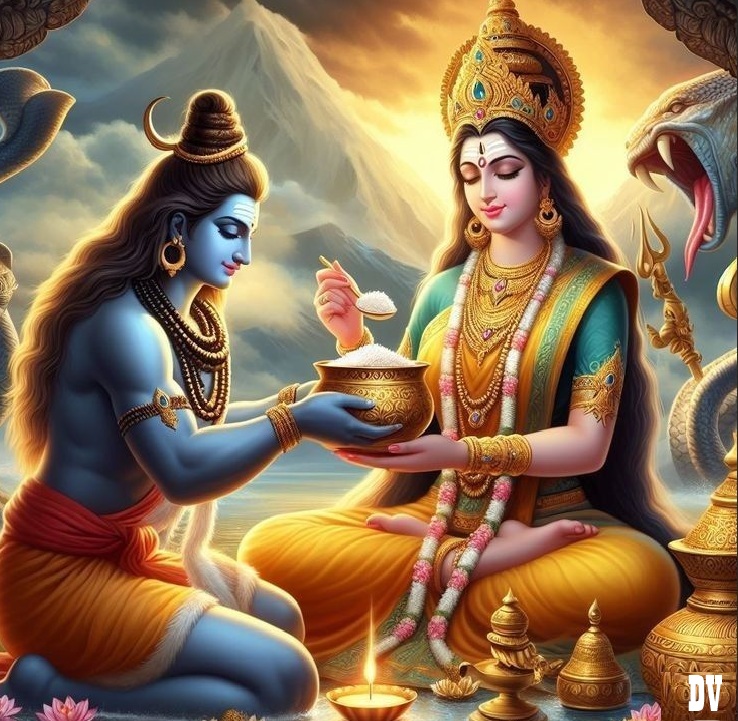
Annapurna Jayanti is celebrated on the Purnima Tithi of Margashirsha month. Annapurna Jayanti is a sacred festival in Hinduism, observed as the appearance day of Goddess Annapurna. She is revered as the presiding deity of food, nourishment and sustenance. The main temple of Goddess Annapurna is located in Varanasi, where She is worshipped as the consort of Lord Shiva and the Goddess of Anna-Daan, i.e., food donation.
4 DEC
Thursday
Bhairavi Jayanti
Purnima Tithi Begins – 08:37 AM on Dec 04, 2025
Purnima Tithi Ends – 04:43 AM on Dec 05, 2025
SHUKAL PAKSH
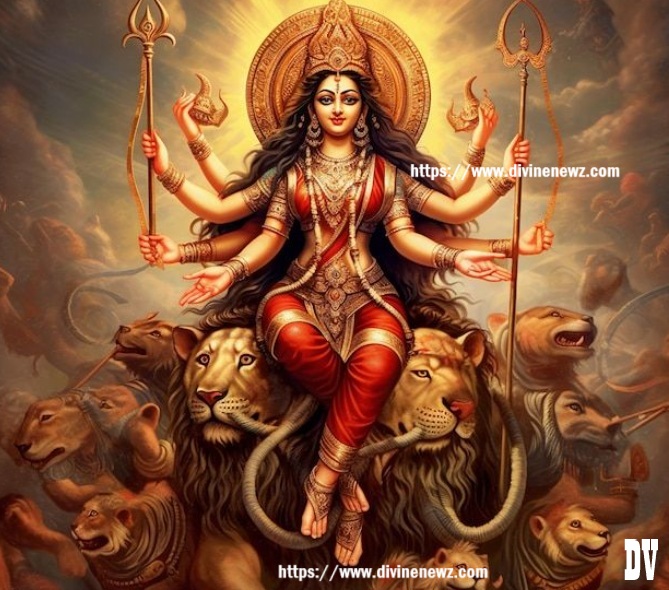
The birth anniversary of Mata Tripura Bhairavi is celebrated on Margashirsha Shukla Purnima. Bhairavi is the fifth goddess among the ten Mahavidya. Goddess Bhairavi is the Shakti of Rudra Bhairavanatha. This Bhairavi form of Goddess is very hideous and dangerous, which is similar to Goddess Kali. Goddess Bhairavi is the consort of Lord Bhairav, the destructive fierce form of Lord Shiva. Goddess Bhairavi is worshipped in various forms, which are known as Rudra Bhairavi, Bhadra Bhairavi, Chaitanya Bhairavi, Nitya Bhairavi, Kaulesh Bhairavi, Shmashana Bhairavi, Sampat Prada Bhairavi, Tripura Bhairavi, Chaitanya Bhairavi, Siddha Bhairavi, Bhuvaneshwar Bhairavi, Sampadaprada Bhairavi, Kaleshwari Bhairavi, Kameshwari Bhairavi, Kamaleshwari Bhairavi, Shatakuti Bhairavi and Nitya Bhairavi.
4 DEC
Thursday
Karthigai Deepam
Karthigai Nakshathram Begins – 05:59 PM on Dec 03, 2025
Karthigai Nakshathram Ends – 02:54 PM on Dec 04, 2025
SHUKAL PAKSH
Karthigai Deepam is a Hindu festival which is celebrated mainly by Tamil Hindus. The day of Karthigai Deepam is fixed based on Tamil Solar Calendar. It falls in the month of Karthikai when Karthigai Nakshatra prevails during Ratrimana. This is also the time when Karthigai Nakshatra coincides with Pournami, the full moon day in the month of Karthikai.
4 DEC
Thursday
Margashirsha Purnima
Purnima Tithi Begins – 08:37 AM on Dec 04, 2025
Purnima Tithi Ends – 04:43 AM on Dec 05, 2025
SHUKAL PAKSH
In Hinduism, the Purnima Vrat is considered highly important. This fast is observed on the Purnima Tithi of the Shukla Paksha every month. According to the Battisi Purnima Vrat described in the Bhavishya Purana, the fast should begin from the full moon of the months of Margashirsha, Magha, and Vaishakha, and be concluded on the Purnima of Bhadrapada or Pausha month. This fast is also called the Dvatrimshi Purnima Vrat. Observing this fast is believed to bring all forms of happiness, good fortune, and progeny.
7 DEC
Sunday
Akhuratha Sankashti
Chaturthi Tithi Begins – 06:24 PM on Dec 07, 2025
Chaturthi Tithi Ends – 04:03 PM on Dec 08, 2025
KRISHAN PAKSH
Akhuratha Sankashti Vrat is observed on Krishna Paksha Chaturthi of Margashirsha month (Purnimanta Pausha month). On the day of Akhuratha Sankashti, the Akhurtha form of Lord Ganesha is worshipped. Akhu means mouse and Ratha means charioteer, i.e. Akhurtha Ganesha means Lord Ganesha with a chariot of a mouse. This form of Lord Ganesha is considered extremely auspicious and fortunate.
15 DEC
Monday
Saphala Ekadashi
Ekadashi Tithi Begins – 06:49 PM on Dec 14, 2025
Ekadashi Tithi Ends – 09:19 PM on Dec 15, 2025
KRISHAN PAKSH
Ekadashi Parana is done after sunrise on next day of Ekadashi fast. It is necessary to do Parana within Dwadashi Tithi unless Dwadashi is over before sunrise. Not doing Parana within Dwadashi is similar to an offence.
16 DEC
Tuesday
Krishna Matsya Dwadashi
Tithi Begins – 09:19 PM on Dec 15, 2025
Tithi Ends – 11:57 PM on Dec 16, 2025
KRISHAN PAKSH
Krishna Paksha Dwadashi that falls approximately fifteen days after the Margashirsha Shukla Matsya Dwadashi is called Krishna Matsya Dwadashi. The name Matsya Dwadashi is derived from the Matsya Avatara of Lord Vishnu
16 DEC
Tuesday
Dhanu Sankranti
Tithi Begins – 09:19 PM on Dec 15, 2025
Tithi Ends – 11:57 PM on Dec 16, 2025
KRISHAN PAKSH
When the Sun (Surya Dev) enters the Sagittarius sun sign or the dhanu rashi, Dhanu Sankranti is celebrated.
19 DEC
Friday
Pausha Amavasya
Tithi Begins – 04:59 AM, Dec 19, 2025
Tithi Ends – 07:12 AM, Dec 20 2025
KRISHAN PAKSH
Amavasya is new moon day in Hindu calendar. It is significant day as many rituals are performed only on Amavasya Tithi. Amavasya falling on weekday Monday is known as Somvati Amavasya and Amavasya falling on weekday Saturday is known as Shani Amavasya.
24 DEC
Wednesday
Vighneshvara Chaturthi
Tithi Begins – 12:12 PM on Dec 23, 2025
Tithi Ends – 01:11 PM on Dec 24, 2025
SHUKLA PAKSH
Pausha Shukla Chaturthi Vrat is a highly revered observance dedicated to Lord Ganesha. On this day, devotees worship Lord Ganesha in His Vighneshvara form with great devotion. On this day, Brahmins are served Laddus and offered Dakshina. Observing this Vrat with sincerity is believed to bring wealth, prosperity and abundance. It is believed that Lord Ganesha was during Madhyahna, hence Madhyahna Kala is considered the best time for Ganesh Pujan.
30 DEC
Tuesday
Pausha Putrada Ekadashi
Tithi Begins – 07:50 AM on Dec 30, 2025
Tithi Ends – 05:00 AM on Dec 31, 2025
SHUKLA PAKSH
Ekadashi Parana is done after sunrise on next day of Ekadashi fast. It is necessary to do Parana within Dwadashi Tithi unless Dwadashi is over before sunrise. Not doing Parana within Dwadashi is similar to an offence.
PANCHAK DATES – DECEMBER 2025
DATE
DAY
FESTIVAL
DESCRIPTION
SIGNIFICANCE
December 24, 2025
TO
December 29, 2025
Wednesday To Monday
Panchak
December 24, 2025, Wednesday at 07:46 PM
December 29, 2025, Monday at 07:41 AM
As the Moon transits through different Nakshatra and Rasi, it tends to exert a certain influence on the life of an individual. According to Vedic Astrology, the period of time when the Moon transits through the last five Nakshatras in the Rasi of Kumbha and Meena of the Hindu calendar is an inauspicious period, called the Panchak.
We hope this has tried to clear up some of the confusion about December month. First of all, you will have to know about the meaning of December Month more than a religious Month.
December in India is part of the winter season. Cold, quieter days naturally encourage inwardness, study, and contemplation — qualities valued in many Hindu spiritual practices.
Those who observe vrat, daan, and bhakti during this month experience peace, prosperity, purification, and divine grace.
It teaches us to slow down, reflect, and find meaning in change. Through its history, we learn about human gratitude and remembrance; through its symbolism, we find inspiration for inner transformation; and through its cultural importance, we see unity in diversity across civilizations.
In every tradition — whether Western, Eastern, or spiritual — November reminds us that endings are not losses, but beginnings in disguise. It is a time to remember, give thanks, and prepare the soul for renewal.
You still have any question, feel free to ask me via comments or via email.
Don`t forget to share what you like here on
Youtube,
Facebook, Instagram with your friends and family.
At DivineNewz, a spiritual and temples news related information providers, is working on the project to work for religion and information about the temples to share with you to bring new ideas about spiritual and religious world.
Divinenewz is a firm Working very proficiently for sharing the divinely knowledge, darshan and pilgrim details and many more in spiritual field. If you have any unique temple and divine place around the globe, then contact us at divinewisdom0608@gmail.com, divinenewz6@gmail.com, or




2 thoughts on “December Month 2025 – Hindu Festivals & Important Events”