Diwali, also called
Deepavali, is one of the most important and widely celebrated Hindu festivals in India and across the world. The word Deepavali comes from Sanskrit —
There are several divine stories and reasons for celebrating Diwali across India, but all connect to the theme of hope, renewal, and divine light.
Lord Rama’s Return to Ayodhya:
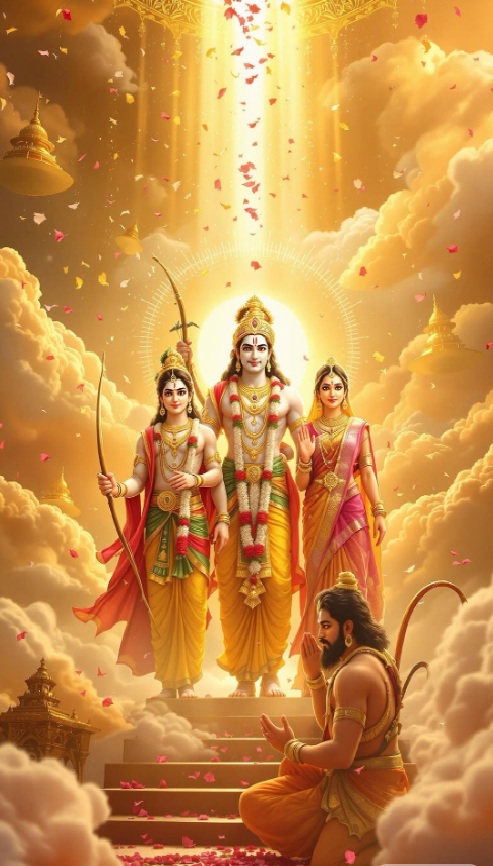
According to the Ramayana, after defeating the demon king Ravana and completing 14 years of exile, Lord Rama, along with Mata Sita and Lakshmana, returned to Ayodhya.
The citizens lit lamps (diyas) to celebrate the end of darkness and the return of righteousness (dharma).
This marks the central reason for Diwali in North India.
Birth of Goddess Lakshmi:
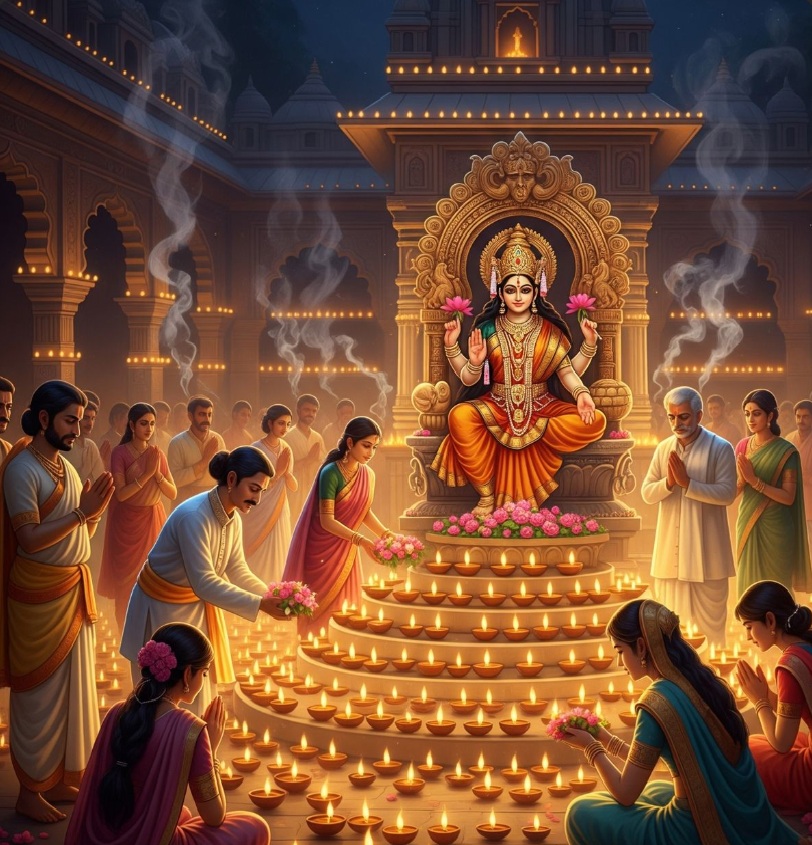
During the Samudra Manthan (churning of the ocean), Goddess Lakshmi emerged on this day, symbolizing wealth, fortune, and prosperity.
Thus, Lakshmi Puja is the main ritual of Diwali night.
Victory of Lord Krishna over Narakasura:
In South India, Diwali commemorates Lord Krishna’s victory over the demon Narakasura, freeing thousands of imprisoned women.
This signifies the destruction of ignorance and ego.
In 2025, Diwali falls on Monday, 20th October (main day of Lakshmi Puja) in most regions, but some calendars may consider 21st October for regional variations.
Mark your calendar to plan pujas, decorations, and shopping in advance.
Bali Pratipada / Govardhan Puja: Offer prayers to ancestors and cows; practice gratitude.
Bhai Dooj: Celebrate the bond between brothers and sisters with rituals and gifts.
Light Diyas and Fireworks Safely
Place diyas on windowsills, doorways, and balconies.
Use eco-friendly fireworks; avoid loud crackers to reduce noise and air pollution.
Keep a water bucket nearby for safety.
Teach children fire safety while enjoying celebrations.
Prepare Delicious Festive Food
Cook traditional sweets like laddoos, barfis, kheer, and gujiyas.
Prepare savory snacks like chakli, namak para, and samosas.
Serve meals to family, neighbors, and underprivileged people to spread joy.
Exchange Gifts and Spread Happiness
Share gifts with family, friends, and neighbors.
Include handmade items, sweets, dry fruits, or eco-friendly gifts.
Visit relatives and strengthen social bonds.
Spiritual Practices During Diwali
Meditate or chant mantras in the morning to invite positive energy.
Perform Tulsi Deep Daan, especially in the evening, for spiritual purification.
Reflect on gratitude, forgiveness, and personal growth during the festival.
Eco-Friendly Tips
Prefer LED lights over candles for long-lasting illumination.
Avoid chemical-laden crackers to reduce air and noise pollution.
Use natural colors for rangoli.
Dispose of waste responsibly to keep the environment clean.
Financial and Shopping Tips
Plan your Diwali shopping early to avoid last-minute rush.
Purchase essential items, gifts, and sweets in advance.
Opt for durable, meaningful gifts instead of excessive spending.
Follow budget-friendly practices to keep the festival joyous and stress-free.
Create Family Traditions
Include activities like family puja, storytelling, or diya decoration competitions.
Share stories of Lord Rama, Goddess Lakshmi, and Krishna to connect younger generations with traditions.
Make Diwali a family bonding festival rather than just a commercial celebration.
Charity and Giving Back
Donate food, clothes, or money to underprivileged people.
Perform Deep Daan or Tulsi Daan to invite spiritual blessings.
Engaging in charity makes the festival meaningful and fulfilling.
Diwali 2025 is an opportunity to blend tradition with modern practices, ensuring a joyful, safe, and spiritually uplifting festival.
By planning pujas, decorating wisely, celebrating responsibly, sharing gifts, and practicing charity, you can make Diwali memorable for your family and community.
“When Amavasya Tithi prevails during the Pradosh Kaal (evening period), that evening is chosen for Diwali celebrations.”
Thus, the majority of Hindu calendars, temples, and scholars (including the Kashi Vidwat Parishad) have declared 20 October 2025 (Monday) as the main Diwali and Lakshmi Puja day. And Mata Vaishno Devi celebrate Diwali on 21 October 2025 (Tuesday).
Even though most Panchangs indicate 20 October as Diwali, some people or communities may still choose 21 October for the following reasons:
Reason 1: Amavasya Continues on 21 October –
The Amavasya Tithi (New Moon) extends till 5:54 PM on 21 October.
Some traditions prefer to celebrate Diwali when the entire day (not just the evening) is under Amavasya — which, in this case, is 21 October until evening.
Reason 2: Regional & Local Panchang Variations –
Certain regional almanacs (especially South Indian and Maharashtra Panchangs) differ slightly in their calculation of sunrise-based tithis.
For them, Amavasya sunrise occurs on 21 October, making that day more appropriate for Lakshmi Puja.
Reason 3: Following Family or Community Tradition –
Many families have long-standing customs — if their elders or local temple observes Diwali on 21 October, they continue the same tradition to maintain unity and faith.
Reason 4: Spiritual Belief –
Some people believe the 21 October Amavasya energy (new moon vibration) is purer for meditation, sadhana, and spiritual cleansing.
Hence, they light diyas and perform puja on that evening for greater spiritual effect.
If you follow the North Indian or most mainstream Panchangs → Celebrate on 20 October 2025.
If your local temple, family tradition, or region follows sunrise-based Amavasya → You may celebrate on 21 October 2025.
Spiritually, neither date is wrong, because the Amavasya Tithi spans both days.
The divine energy of Diwali flows through 20–21 October 2025, so those who celebrate on 21 October are still doing so within the Amavasya period, which is fully valid and sacred.
If you choose to celebrate Diwali on 21 October 2025, it represents:
Celebrating Amavasya throughout the day, symbolizing total renewal and cleansing.
Performing Lakshmi Puja when the Amavasya energy reaches its deepest stillness, ideal for inner peace and meditation.
Honoring the continuity of family tradition and regional faith practices.
Hence, celebrating Diwali on 21 October 2025 is spiritually justified — especially for those who follow sunrise-based Panchang or wish to experience the full depth of Amavasya vibrations.
Aspect
Explanation
Festival Name
3:44 PM, 20 October 2025
Meaning
Festival of lights, symbolizing victory of light over darkness
Diwali is not bound by a single calendar date —
it is a celebration of divine light that shines in our hearts.
Whether on 20 or 21 October 2025, what matters most is your devotion, gratitude, and purity of heart.
Diwali, or Deepavali, is one of the most sacred and joyful Hindu festivals, symbolizing the victory of light over darkness, truth over falsehood, and good over evil. The term Deepavali in Sanskrit means “a row (avali) of lamps (deepa).”
Diwali is both a spiritual and festive celebration. The rituals are meant to cleanse the mind, home, and soul — inviting prosperity and peace.
it is a celebration of divine light that shines in our hearts.
Whether on 20 or 21 October 2025, what matters most is your devotion, gratitude, and purity of heart.
You still have any question, feel free to ask me via comments or via email.
Don`t forget to share what you like here on
Youtube,
Facebook, Instagram with your friends and family.
At DivineNewz, a spiritual and temples news related information providers, is working on the project to work for religion and information about the temples to share with you to bring new ideas about spiritual and religious world.
Divinenewz is a firm Working very proficiently for sharing the divinely knowledge, darshan and pilgrim details and many more in spiritual field. If you have any unique temple and divine place around the globe, then contact us at divinewisdom0608@gmail.com, divinenewz6@gmail.com, or