“Margashirsha month” refers to the ninth month of the Hindu lunar calendar, also known as
Margashirsha or Agrahayana. It typically falls between late
November and December in the Gregorian calendar and is considered a very auspicious month, particularly important in the Vedic period. This month is significant because,
(Bhagavad Gita 10.35) — giving this month a supreme spiritual status.
In the southern Amanta calendar system (used in Maharashtra, Karnataka, Andhra Pradesh, and Tamil Nadu), the month may start and end a few days later, as the lunar system counts from Amavasya to Amavasya instead of Purnima to Purnima.
This article explores in detail the meaning, significance, rituals, festivals, do’s and don’ts, and the spiritual importance of the Margashirsha month in Hindu tradition.
In Vedic times, Margashirsha was also called
Agrahayana, meaning the
beginning of the year. The Rigveda and other early texts mention Agrahayana as the first month of the year, symbolizing the start of the harvest and a period of thanksgiving to the gods.
Spiritually, the term Mrigashira also symbolizes a seeker, one who is searching for divine truth just like a deer that wanders restlessly in search of fragrance. In the same way, human beings during this month are encouraged to direct their restless search toward the divine essence within.
The scriptural significance of Margashirsha is profound and ancient. Lord Krishna’s declaration in the Bhagavad Gita (10.35) is the central reference:
“Māsānām Mārgaśīrṣo’ham ṛtūnām kusumākaraḥ.”
“Among months, I am Margashirsha, and among seasons, I am the spring.”
Through this, Krishna identifies Margashirsha as the most divine and auspicious of all months, a time when nature itself becomes spiritually receptive.
The Padma Purana and Skanda Purana further mention that worship and good deeds done during this month multiply many times over. The
Vishnu Dharmottara Purana associates the month with Lord Vishnu and Goddess Lakshmi, indicating that worshipping them during this time brings immense blessings.
Devotees are encouraged to wake up before sunrise, bathe in holy rivers or clean water, and offer Arghya (water oblation) to the rising Sun. This ritual purifies the mind and invokes blessings for health and prosperity.
Bathing in the Ganga, Yamuna, or any sacred river during this month is said to remove past sins and karmic impurities.
Margashirsha is deeply associated with Lord Vishnu and the sacred Tulsi plant. Devotees light a lamp near Tulsi every evening and offer water, flowers, and incense. It is believed that Lord Vishnu resides in the Tulsi plant during this time.
Charity is one of the most important duties in this month. Donating food, clothes, sesame seeds, ghee, or blankets to the poor is believed to yield immense punya (spiritual merit). Serving cows, feeding birds, and helping the needy are especially meritorious.
Reading or listening to the
Bhagavad Gita during this month is considered highly auspicious, as the Gita itself was revealed during Margashirsha on Gita Jayanti day. Reading
Vishnu Sahasranama or
Tulsi Ramayana is also recommended.
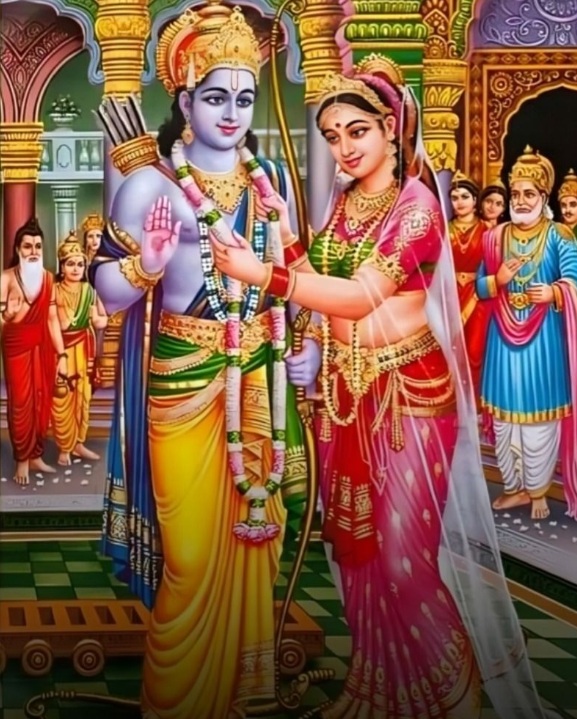
Vivah Panchami commemorates the sacred marriage of
Lord Rama and Goddess Sita. It falls on the 5th day (Panchami) of the Shukla Paksha of Margashirsha.
Temples of Rama are beautifully decorated, and wedding reenactments
(Rama–Sita Vivaah Utsav) are celebrated with devotion and joy, especially in Ayodhya and Janakpur (Nepal).
Gita Jayanti marks the day Lord Krishna revealed the divine wisdom of the Bhagavad Gita to Arjuna on the battlefield of Kurukshetra.
This day symbolizes the victory of knowledge over ignorance. Devotees read or chant the Gita, organize group readings, and meditate upon the teachings of Lord Krishna.
This sacred Ekadashi is dedicated to Lord Vishnu. It is believed that on this day, the gates of Vaikuntha (the divine abode) remain open.
Fasting, prayers, and visiting Vishnu temples on Vaikuntha Ekadashi remove sins and grant liberation (moksha). Temples like Tirupati Balaji, Srirangam, and Pandharpur observe grand celebrations.
The new moon of Margashirsha is an important day for performing Pitru Tarpan (offerings to ancestors). Lighting lamps and performing acts of kindness on this day help liberate ancestral souls and bring blessings to the family.
Each festival of this month carries a spiritual lesson:
Vivah Panchami – Cleaning the home, decluttering inner and outer space, doing spiritual practices with full sincerity pays extra dividends on this day.
Gita Jayanti – Inspires self-realization through knowledge and duty.
Vaikuntha Ekadashi – Symbolizes liberation from material attachments.
Amavasya – Encourages remembrance of ancestors and gratitude.
Purnima – Represents the fullness of devotion and divine grace.
Together, these festivals remind us that spiritual life is a journey from darkness (Amavasya) to divine illumination (Purnima).
In modern life, Margashirsha provides a much-needed pause — a chance to slow down, reflect, and reconnect with the divine. The essence of this month is simplicity, gratitude, and devotion.
Even if one cannot perform elaborate rituals, adopting small habits like daily prayers, meditation, helping others, or reading sacred texts can make the month spiritually meaningful.
Margashirsha teaches that the divine resides in purity and devotion.
As winter descends and nature rests, this month invites us to turn inward — to light the inner lamp of awareness and to seek the fragrance of truth, like the deer of Mrigashira Nakshatra searching for the hidden scent.
It reminds us that life’s greatest wealth is not material possessions but spiritual contentment and divine love.
Margashirsha Month is a sacred time for all Hindus — a month of divine blessings, spiritual renewal, and deep devotion. From the serene mornings filled with Tulsi worship to the joyful celebration of Vivah Panchami and Gita Jayanti, every day of this month offers an opportunity for inner purification and spiritual growth.
In 2025, as Margashirsha unfolds from November 6 to December 4, let us welcome this holy month with a heart full of gratitude, humility, and faith. Let us remember Krishna’s words —
“Among all months, I am Margashirsha.”
May this sacred month fill your life with peace, wisdom, prosperity, and divine love.
We hope this has tried to clear up some of the confusion about Margashirsha. First of all, you will have to know about the Meaning of Margashirsha.
The term Margashirsha comes from Sanskrit roots — “Mṛga” meaning “deer,” and “śīrṣa” meaning “head.” Thus, Mṛgaśīrṣa literally means “the deer’s head.” The full moon of this month generally coincides with the Mrigashira Nakshatra (constellation), and hence the month is named after it.
Spiritually, the term Mrigashira also symbolizes a seeker, one who is searching for divine truth just like a deer that wanders restlessly in search of fragrance. In the same way, human beings during this month are encouraged to direct their restless search toward the divine essence within.
You still have any question, feel free to ask me via comments or via email.
Don`t forget to share what you like here on
Youtube,
Facebook, Instagram with your friends and family.
At DivineNewz, a spiritual and temples news related information providers, is working on the project to work for religion and information about the temples to share with you to bring new ideas about spiritual and religious world.
Divinenewz is a firm Working very proficiently for sharing the divinely knowledge, darshan and pilgrim details and many more in spiritual field. If you have any unique temple and divine place around the globe, then contact us at divinewisdom0608@gmail.com, divinenewz6@gmail.com, or