It’s a time for spiritual discipline (fasting, chanting), worshipping
Vishnu/Surya, and performing good deeds to gain inner peace, rather than worldly pleasures.
Khar Maas — often written as Kharmas or Khar-mas — is a special period in the Hindu religious calendar that evokes curiosity, reverence, and a little anxiety among many people. For some it is a month of introspection, austerity, and increased spiritual practice. For others it is a time to postpone important life events and avoid auspicious rituals.
The word itself —
Khar + Maas — suggests a sense of pause or harshness, and that feeling is reflected in the traditional advice attached to it. This article explores the origin, astronomical and scriptural basis, cultural variations, common practices, and the wide range of dos and don’ts associated with Khar Maas. The goal is not only to explain what Khar Maas is but also to provide a practical, compassionate guide for navigating it with purpose and calm.
Khar Maas is a period in the Hindu calendar tied to the Sun’s transit through certain zodiacal positions (primarily when the
Sun transits Sagittarius, and in some interpretations when it is in Pisces). It is traditionally considered inauspicious for performing rites marked as
“manglik” (auspicious and ceremonial) — especially weddings and other samskaras (rituals of passage such as naming ceremonies, initiation rites, and housewarmings).
At the same time, Khar Maas is often recommended for spiritual activities such as fasting, chanting, charity, pilgrimage, and scriptural study. In short, Khar Maas is a pause from worldly auspicious celebrations and an invitation to inner work.
To understand the name, we split the term into two Sanskrit-derived parts:
“Khar” and “Maas.”
“Maas” (māsa) simply means “month.”
The term
“Khar” carries connotations of
“bitter,” “harsh,” or “unfavourable” in several Indic languages and traditions. Thus, Khar Maas literally means the
“harsh month” or a
“month of pause.” In popular imagination this suggests a time that is not conducive to celebration or to activities whose success depends on auspicious planetary alignment.
Linguistically and culturally the name captures an ancient human impulse: cyclic seasons require different human responses. The agricultural year has times for sowing and harvest and times for conservation; social and ritual life likewise have times for feasting and times for restraint. Khar Maas is one such culturally institutionalized season of restraint.
Khar Maas is not arbitrary; it arises from the movements of the Sun through the zodiac. Most commonly Khar Maas is associated with the Sun’s transit in Dhanu (Sagittarius) and sometimes Meena (Pisces), depending on regional and astrological traditions. In practice the Khar period generally falls around mid-December to mid-January when the Sun moves through Sagittarius (Dhanu). Some texts and regional calendars also count a Khar period around March when the Sun transits Pisces (Meena), though the more familiar popular Khar Maas to many people is the winter one associated with Sagittarius.
Astrologically, the Khar period is linked with Jupiter (Brihaspati), often called “Guru.” Dhanu (Sagittarius) and Meena (Pisces) are considered the natural or “exalted” domains of the guru (Jupiter) in Vedic astrology. When the Sun transits those regions, special combinations or influences in the sky are said to make auspicious public ceremonies less favourable. The variety of explanations — astronomical, astrological, scriptural, and pragmatic — reflects centuries of interpretation and does not always produce identical rules across communities.
A frequent source of confusion is the conflation of Khar Maas with Adhik Maas (also called Malmas or Purushottam Maas). While many people use the terms interchangeably, they are distinct:
Adhik Maas : is an extra lunar month added periodically (approximately every 32.5 months) to align the lunar calendar with the solar year — similar to a “leap” month. Adhik Maas is a part of the lunisolar calendar correction mechanism and is ritually significant as Purushottam Maas, a month dedicated to Vishnu and spiritual disciplines. It is not inherently inauspicious; in fact many traditions encourage devotion and fasting during Adhik Maas.
Khar Maas : is a solar/planetary phenomenon connected to the Sun’s transit through particular zodiac signs and is primarily linked with restrictions on auspicious ceremonies.
This distinction is important: Adhik Maas and Khar Maas have different astronomical causes and different ritual emphases. Yet in popular usage they sometimes get conflated because both result in similar social effects — a period when traditional weddings and other ceremonies are often avoided.
The short answer: for certain types of rituals and activities, yes — Khar Maas is traditionally considered inauspicious. But this answer needs nuance.
The categories typically deemed inauspicious are mainly “manglik” rites — weddings, upanayan (sacred thread ceremonies), mundan (first haircut), griha pravesh (housewarming), and certain samskaras and formal rites connected with beginning a new cycle (like opening a new business or laying foundation stones). The reasoning is both scriptural and astrological: these rites are believed to need specific auspicious planetary alignments that Khar Maas does not favour.
However, Khar Maas is not a blanket ban on religious life. Indeed, many forms of pious activity — charity, devotion, fasting, pilgrimages, philosophical inquiry, and reading scriptures — are encouraged during Khar. Rather than an entirely ‘bad’ month, Khar Maas functions as a seasonal advice to redirect energy from outward celebrations to inward practice.
Ancient Hindu scriptures do not treat all months identically. Over centuries of calendrical observation and ritual practice, certain periods accrued special reputations. Various later Smriti texts, ritual manuals, and regional almanacs (panchangs) developed lists of months and specific activities recommended or discouraged in them.
Local oral traditions and priestly customs further refined these rules. Where the Vedic sacrificial tradition once dominated, the classical period of temple-centered Hinduism brought temple festivals and household rituals into greater prominence, and each of these developed pragmatic calendars for timing.
The historical development of Khar Maas as a socially recognized restraint likely emerged from a mixture of astronomical observation (seasonal sunlight changes), agricultural rhythm (harvest schedules), and ritual practice (astrological calculations). Over time, Khar Maas became framed as both an astrological caution and a spiritual opportunity.
India’s vast cultural diversity means that Khar Maas is understood differently across regions, communities, and even among different pundit lineages:
North India : The winter Kharmas (mid-December to mid-January) is most prominent and widely recognized. Many families postpone weddings and other samskaras during this period.
West India : In states such as Rajasthan, Gujarat, and Maharashtra, local calendars and community customs sometimes specify the exact dates where certain rituals are considered taboo; in some places the rules are looser, in others they are stricter.
South India : In parts of South India, Khar Maas concepts might align with solar transitions but local names and practices differ. The idea of inauspicious times is present, but the specific enforcement depends on local panchang and tradition.
East India : Bengal, Odisha, and Assam again follow regional calendars; the idea of avoiding certain samskaras during particular solar transits exists but may be interpreted through different ritual lenses.
Several reasons explain why Khar Maas matters socially and culturally:
Community cohesion : Shared ritual calendars synchronize family and community life. When a community broadly avoids weddings during Khar, it reduces social friction and establishes a predictable rhythm.
Astrological faith : For many, the astrological worldview that planetary movements affect human events is a living truth. Acting in accordance with panchang guidance is a way to harmonize human life with cosmic cycles.
Practical prudence : Historically, certain seasons were logistically unfavorable for travel or ceremonial gatherings. Indirectly, traditions like avoiding major events during a particular time could reflect practical concerns about weather, food storage, or travel.
Spiritual discipline : The cultural framing of Khar Maas as a time for restraint channels energies into charity and inner practice. People take the opportunity to fast, give, or engage in sadhana (spiritual practices).
Across authoritative and popular sources several recurring categories of activities are commonly discouraged during Khar Maas. While local nuances apply, here is a comprehensive list of widely mentioned prohibitions:
Weddings and engagements : Marriage ceremonies are the most frequently cited activity to postpone during Khar Maas.
Samskaras (certain rites of passage): This category often includes mundan (first haircut), upanayan (sacred thread ceremony), annaprashan (first feeding), and other initiation rites
Housewarming (Griha Pravesh): Starting life in a new home is traditionally deferred.
Naming ceremonies and initiation ceremonies : Many families avoid conducting naming rituals or educational initiations during Khar maas.
Naming ceremonies and initiation ceremonies : Many families avoid conducting naming rituals or educational initiations during Khar maas.
Naming ceremonies and initiation ceremonies : Many families avoid conducting naming rituals or educational initiations during Khar maas.
Major beginnings (business launches, foundation laying): Opening a shop, laying a foundation stone, or anything positioned as a ‘beginning’ may be postponed.
Large public yajnas/yagnas or significant temple consecrations: Expensive or large-scale ritual investments are often avoided until the Khar period is over.
Karna-vedh and similar body-related samskaras: Rituals like ear-piercing are often postponed.
Mass festivities and public celebrations of a joyous nature: Socially exuberant celebrations are often muted or postponed during Khar.
Note: These prohibitions are primarily about rituals that mark beginnings or rites connected to auspiciousness. They do not usually extend to everyday activities, livelihood work, or regular worship.
Khar Maas is not merely a time of abstention; it is also an opportunity to focus on particular spiritual practices. Here are common recommendations for what to do during Khar:
Charity and dana (giving): Donation to temples, to the poor, and charities is widely encouraged during this period.
Fasting and vrat: Many people observe fasts or undertake special vrat practices suited to their family tradition.
Increased japa, kirtan, and recitation: Chanting the names of the Lord, reciting the Bhagavad Gita, Ramayana, Vishnu Sahasranama, or other sacred texts is highly recommended.
Pilgrimage and temple visits: Visiting holy places, taking a dip in sacred rivers, and doing devotional seva are considered meritorious.
Study and reflection : Using the time to study scripture, engage in satsang (spiritual company), or reflect inwardly aligns with the spirit of the month.
Inner sacraments (non-ritual observances): Acts such as maintaining ethical conduct, practicing self-restraint, and cultivating compassion are advised.
Surya arghya and worship of deities: : In some communities, offering water to the Sun (Surya arghya) and doing simple pujas is recommended — particularly acts that focus on inner purification rather than public spectacle.
Though Khar Maas restricts many outwardly auspicious ceremonies, some rituals are allowed or encouraged, often with modifications:
Shraddha and Pitru rites: Many sources allow or even recommend focusing on ancestors during this period.
Charitable shraddha-like services: Feeding the poor, supporting Vedic recitations offered on behalf of ancestors, and similar deeds are considered laudable.
Daily worship at home: Regular puja and personal devotions are not only allowed but expected.
Simple temple puja: Visiting a temple and lighting a lamp or offering naivedya (food) may be performed; large-scale consecrations are discouraged.
Pilgrimages: Khar Maas is often considered a good time for pilgrimages, because inward orientation and austerity are seen as appropriate.
Rather than focusing purely on what not to do, many traditions offer remedies or positive actions to harness the month’s potential. Below are some commonly cited practices:
Dana (charity): Giving staples like grain, clothes, lamp oil, and monetary support to temples and the needy accrues merit.
Recitation of Vishnu and Surya mantras : Chanting Vishnu Sahasranama, Aditya Hridayam, or simple names of the Lord is recommended.
Fast on Ekadashi or other auspicious tithis : Observing fasts on recommended lunar days yields spiritual benefits.
Sankalpa for inner transformation : Instead of ceremonially marking a new external beginning, one can make an inner sankalpa — a solemn vow — to start a new habit, like daily recitation, study, or seva.
Seva (selfless service) : Volunteering at a temple or community kitchen, helping in charitable projects, and serving elders is particularly meritorious.
Study and memory of scriptures: Using the time to learn and memorize slokas or passages aligns with the instructive ethos of Khar Maas.
Because calendar lore circulates widely through oral tradition, several myths about Khar Maas deserve correction or clarification:
Myth: Nothing at all may be done during Khar Maas, Corrective: Ordinary life continues. Work, trade, worship, charity, and pilgrimage are permitted. Restrictions primarily apply to certain auspicious ceremonies.
Myth: Khar Maas is a punishment month for ordinary people. Corrective: Khar is a calendrical season for restraint and reflection, not a punitive cosmic judgment. It is presented in many traditions as an opportunity for spiritual progress.
Myth: All communities uniformly forbid weddings in Khar Maas. Corrective: Practices differ. In some communities rules are strict; in others they are guided by family preference and local panchang advice.
How should a contemporary family or individual approach Khar Maas? Here are practical suggestions that combine tradition with common sense:
Consult the local panchang or a trusted pundit: Local calendars are tuned to regional conventions. For crucial rites, consult a source you trust well before making final plans.
Adapt with sensitivity: If a wedding is unavoidable (urgent reasons, immigration timelines, or rare medical circumstances), most priests will advise rituals or remedies to offset timing.
Reframe the month as spiritual opportunity: Instead of thinking only in terms of restrictions, try to view Khar as an invitation to give, to serve, and to strengthen inner life.
Document family customs: Every family’s tradition matters. Keep a short note of how your family has observed Khar in the past so that future generations have clarity.
Use modest rituals for important life moments: If a rite must occur, consider simplifying the ceremony, focusing on essentials rather than elaborate rites.
Balance modern needs and religious sentiment: For practical matters (legal paperwork, business formations), Khar generally does not need to block action. Where symbolism is involved (marriage, samskara), sensitivity to panchang and family wishes helps.
The interplay between religious tradition and modern life is always dynamic. Khar Maas presents a clear instance where ancient calendrical wisdom meets contemporary needs. Practical wisdom suggests the following mix:
Respect the spirit of the tradition while applying reason and compassion.
Seek counsel from trusted local sources rather than internet hearsay alone.
Use Khar as an opportunity to prioritize charity, reflection, and spiritual practice.
Where practical constraints compel exceptions, enact them with humility and with remedial practices where appropriate.
Khar Maas, like many elements of living tradition, is best understood on more than one level. Astronomically it is a solar transit. Astrologically it marks a configuration that classical pundits read as unfavourable for certain auspicious events. Culturally it is a community calendar for restraint. Ethically and spiritually it asks people to shift from public celebration to inner attention, from new beginnings outwardly to quiet renewal inwardly.
Rather than seeing Khar Maas as a forbidding month, it’s helpful to view it as a recurring reminder: life contains seasons. Some seasons call for careful planning and joyous initiation; others call for humility, service, and reflection. When we honor those seasons — not out of fear but out of alignment with a deeper rhythm — our celebrations, when they arrive, are likely to be richer and better grounded.
We hope this has tried to clear up some of the confusion about Khar maas. First of all, you will have to know about the Meaning of Khar Maas.
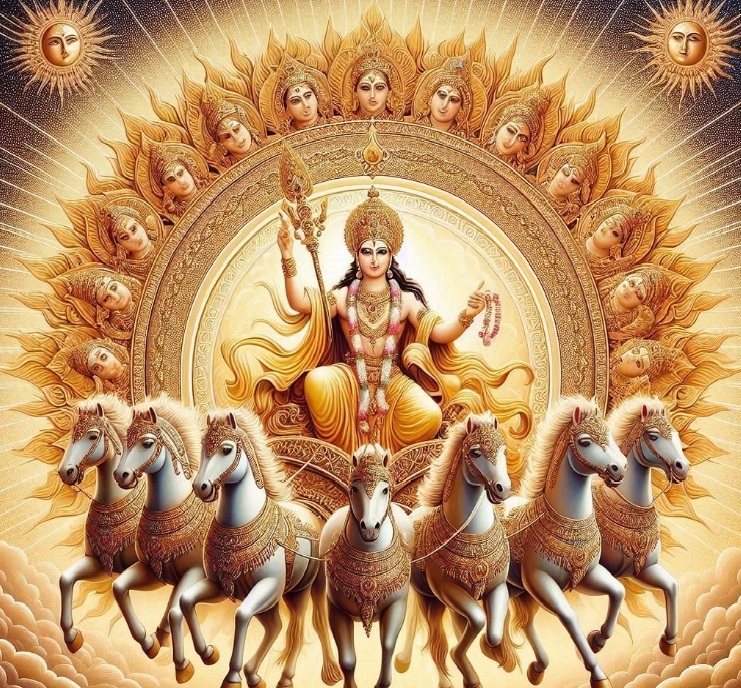
Khar maas is a spiritually significant, yet traditionally inauspicious, month in Hinduism when the Sun enters Sagittarius or Pisces, considered a time for introspection, charity, and avoiding major celebrations like weddings or housewarmings, named after the legend of the Sun God’s chariot being pulled by slow donkeys (khars) during this period, slowing the cosmos.
Khar Maas is a period in the Hindu calendar tied to the Sun’s transit through certain zodiacal positions (primarily when the Sun transits Sagittarius, and in some interpretations when it is in Pisces). It is traditionally considered inauspicious for performing rites marked as “manglik” (auspicious and ceremonial) — especially weddings and other samskaras (rituals of passage such as naming ceremonies, initiation rites, and housewarmings).
You still have any question, feel free to ask me via comments or via email.
Don`t forget to share what you like here on
Youtube,
Facebook, Instagram with your friends and family.
At DivineNewz, a spiritual and temples news related information providers, is working on the project to work for religion and information about the temples to share with you to bring new ideas about spiritual and religious world.
Divinenewz is a firm Working very proficiently for sharing the divinely knowledge, darshan and pilgrim details and many more in spiritual field. If you have any unique temple and divine place around the globe, then contact us at divinewisdom0608@gmail.com, divinenewz6@gmail.com, or
1. Can a priest perform last-minute rituals during Khar Maas if circumstances demand it?
Many priests will accommodate urgent needs, often advising remedial acts or minimal rites. In extraordinary situations, compassionate adjustments are common.
2. Is business or property transaction prohibited during Khar Maas?
Most communities do not forbid ordinary business transactions. However, symbolic actions like buying a house for auspicious moving-in might be delayed until after Khar.




2 thoughts on “Khar Maas — Meaning, Why It’s Called Khar Mass, What To Do and What Not To Do”