


Official Website : https://divinenewz.com/
TABLE OF CONTENT |
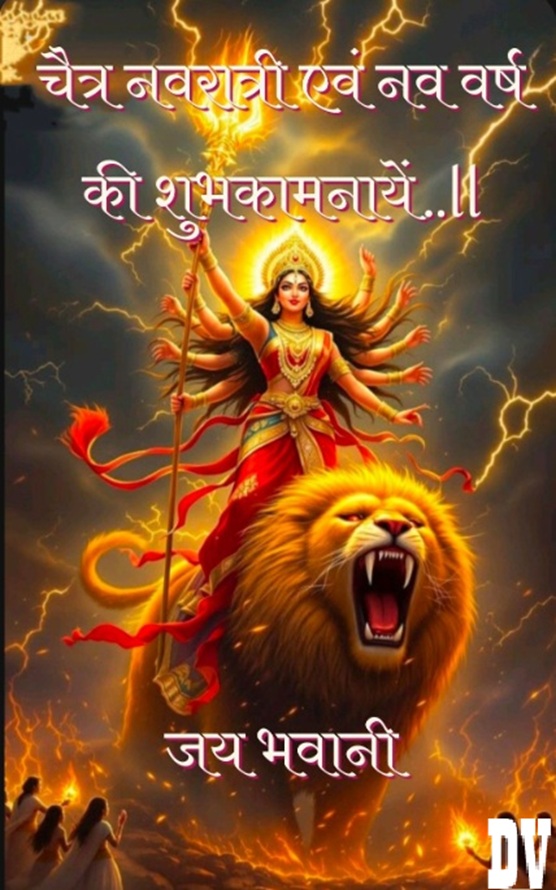
Vikram Samvat 2083 is the Hindu lunar new year, which begins on March 19, 2026 (Chaitra Shukla Pratipada). Known as the Raudra Samvatsara, this year marks the beginning of the year 2083 in the lunisolar calendar, which runs 57 years ahead of the Gregorian calendar. This period is often associated with the agricultural new year, the spring season, and the start of Chaitra Navratri.
1. INTRODUCTION
The Hindu New Year is one of the most important and sacred festivals in Hindu culture. It marks the beginning of a new spiritual and cultural cycle based on ancient astronomical calculations and sacred traditions preserved over thousands of years. In 2026, the Hindu New Year marks the beginning of Vikram Samvat 2083, a revered calendar widely followed in many parts of India and Nepal.
The Hindu New Year is not just the beginning of a new calendar year; it symbolizes renewal, spiritual awakening, hope, prosperity, and harmony with cosmic rhythms. This auspicious day marks the beginning of the month of Chaitra, which has immense religious significance in Hindu scriptures.
The
Vikram Samvat is one of the most important traditional calendars used in Hinduism. It is a historical and religious calendar that guides the festivals, rituals, and cultural events of millions of Hindus.
Below is a explanation of what the Vikram Samvat is, its origins, and its significance in Hindu tradition.
2. MEANING OF VIKRAM SAMVAT
The word Vikram Samvat is made of two Sanskrit words:
- Vikram – referring to
Vikramaditya, a famous and powerful ancient Indian king.
-
Samvat (Samvatsara) – meaning
year or era.
So,
Vikram Samvat means “the era of King Vikramaditya.”
It is a
Hindu lunar-solar calendar system used to measure
years, months, and important religious dates.
3. WHEN VIKRAM SAMVAT STARTED
According to tradition, the
Vikram Samvat calendar began in
57 BCE after King Vikramaditya defeated foreign invaders.
Because of this starting point:
- 2026 (Gregorian calendar)
- 2083 Vikram Samvat
The new year of the Vikram Samvat usually begins in the Hindu month of Chaitra, around March or April. The first day of the year is celebrated as Chaitra Navratri or Hindu New Year in many regions.
4. TYPES OF CALENDAR
Vikram Samvat is a lunisolar calendar, which means it uses:
- Moon cycles to calculate months
- Sun movement to adjust the year
Because of this combination, the calendar stays aligned with seasons.
Each year has:
5. MONTHS IN VIKRAM SAMVAT
Vikram Samvat has twelve traditional Hindu months:
- Chaitra
- Vaishakha
- Jyeshtha
- Ashadha
- Shravana
- Bhadrapada
- Ashwin
- Kartika
- Margashirsha
- Pausha
- Magha
- Phalguna
6. WHY VIKRAM SAMVAT IS IMPORTANT IN HINDUISM?
The
Vikram Samvat (Vikrama Saṁvata; abbreviated VS), also known as the
Vikrami or Bikrami calendar, is a Hindu calendar historically used in the Indian subcontinent and still used today in several Indian states and Nepal. It is a lunisolar calendar, with each solar sidereal year consisting of twelve lunar months. The Vikram Samvat calendar’s year count is usually 57 years ahead of the Gregorian calendar, except during January to March/April, when it is 56 years ahead.
The Vikram Samvat calendar is extremely important because it determines:
1. Hindu Festivals
Major festivals are calculated using this calendar, such as:
- Diwali
- Holi
- Navratri
- Raksha Bandhan
2. Religious Rituals
Important ceremonies depend on the Vikram Samvat dates, such as:
- Marriage muhurta
- House warming (Griha Pravesh)
- Naming ceremonies
- Temple festivals
3. Panchang
Priests and astrologers use Panchang based on Vikram Samvat to determine:
- Auspicious days
- Planetary positions
- Lunar phases
- Religious observances
4. Where Vikram Samvat is Used?
Vikram Samvat is used in India and Nepal.
In fact, Nepal officially uses Vikram Samvat as its national calendar.
Many Hindu communities in India also follow for religious purposes.
7. SPIRITUAL MEANING OF VIKRAM SAMVAT
Time (kaal) is sacred in Hindu philosophy. Calendars like the Vikram Samvat help people live their lives in harmony with cosmic cycles.
It connects human life with:
- Lunar rhythms
- Solar seasons
- Planetary movements
- Religious observances
Vikram Samvat is not only a calendar but also a spiritual system that aligns human life with the cosmic order (dharma).
8. CONCLUSION
The festival is celebrated across India with different names, but its spiritual essence remains the same – welcoming a new beginning with devotion, gratitude, and positive thoughts.
9. WRAPPING UP
We hope this has tried to clear up some of the confusion about Vikram Samvat.
The Vikram Samvat is the official calendar of Nepal, with the first month being Baishakh and the last month being Chaitra. In India, it is used only for religious dates (with Chaitra as the first month), while the solar version of the Vikram Samvat is a civil calendar for general use.
You still have any question, feel free to ask me via comments or via email.
Don`t forget to share what you like here on
Youtube,
Facebook, Instagram with your friends and family.
At DivineNewz, a spiritual and temples news related information providers, is working on the project to work for religion and information about the temples to share with you to bring new ideas about spiritual and religious world.
If you want article on any other religious specific topic then post the comment i will write on that topic.
Get in touch with DivineNews by contacting by divinenewz6@gmail.com/ For more information, please visit:
https://www.divinenewz.com
ARTICLE WRITTEN BY:
Divinenewz is a firm Working very proficiently for sharing the divinely knowledge, darshan and pilgrim details and many more in spiritual field. If you have any unique temple and divine place around the globe, then contact us at divinewisdom0608@gmail.com, divinenewz6@gmail.com, or
For more information, please visit:
https://www.divinenewz.com
