


Official Website : https://divinenewz.com/
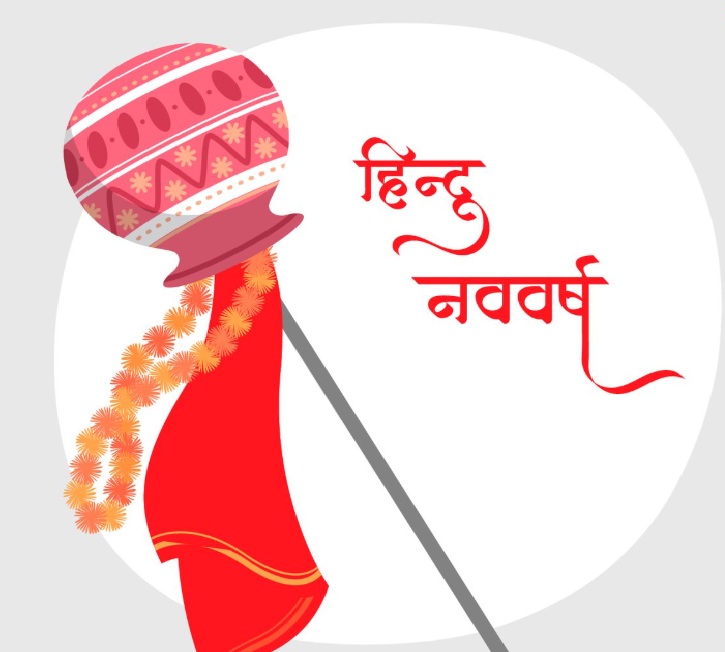
Hindu New Year 2026 will be celebrated on March 19. Learn about the date, significance of Chaitra Shukla Pratipada, and regional celebrations.
1. INTRODUCTION
According to the Hindu lunar calendar, the Hindu New Year, also known as Hindu Nav Varsha, marks the beginning of a new year. It begins today, March 19, 2026, on the Pratipata tithi of the bright fortnight of the Chaitra month.
2. WHAT IS THE HINDU NEW YEAR?
The Hindu New Year begins on the first day of the Shukla Paksha (bright lunar fortnight) of the month of Chaitra. This day is called Chaitra Shukla Pratipada.
In 2026, this auspicious day marks the beginning of Vikram Samvat 2083, one of the oldest calendars still in use today.
Unlike the Gregorian calendar, the Hindu calendar is based on the movements of the Moon and Sun, making it more in sync with natural cycles.
The Hindu New Year represents:
- Renewal of life
- Beginning of spiritual practices
- Cosmic balance
- Victory of dharma over adharma
- Awakening of divine energy in nature
Starting new ventures, spiritual practices and charitable works on this day is considered extremely auspicious.
3. VIKRAM SAMVAT CALENDAR
The Hindu New Year marks the start of the Vikram Samvat, a traditional calendar system used in India and Nepal.
Origin of Vikram Samvat
The calendar was started by the great King Vikramaditya, the ruler of Ujjain, after his victory over foreign invaders.
It began in 57 BCE, making it approximately 57 years ahead of the Gregorian calendar.
For example:
- Gregorian Year: 2026
- Vikram Samvat Year: 2083
This calendar is widely used for:
- Hindu festivals
- Religious rituals
- Astrology calculations
- Marriage ceremonies
- Temple traditions
Many ancient scriptures are also dated using the Vikram Samvat system.
4. HINDU NEW YEAR 2026 DATE
In 2026, the Hindu New Year will begin on March 19.
This day falls within
Chaitra Navratri, a nine-day festival dedicated to the Mother Goddess.
The beginning of the New Year is therefore deeply connected with the
worship of Durga, the goddess of power and protection.
5. DIFFERENT NAMES OF HINDU NEW YEAR IN INDIA
North India
The New Year begins with Chaitra Navratri.
Maharashtra
Celebrated as Gudi Padwa.
Karnataka, Andhra Pradesh, Telangana
Known as Ugadi.
Kashmir
Celebrated as Navreh.
6. MYTHOLOGICAL SIGNIFICANCE OF HINDU NEW YEAR
The Hindu New Year has deep roots in ancient mythology and sacred texts.
Creation of the Universe
Creator god Brahma began the creation of the universe on Chaitra Shukla Pratipada, according to the Brahma Purana.
This makes the day symbolic of the birth of the cosmos.
It is believed that:
- Time itself began on this day
- The cycles of creation were initiated
- Cosmic order (Rta) was established
That is the reason that Hindus consider this day the true beginning of time.
Beginning of the Satya Yuga
Some scriptures mention that the first day of the Chaitra month marked the beginning of Satya Yuga, i.e. the golden age of truth and righteousness.
Satya Yuga represents:
- purity
- truth
- righteousness
- harmony with nature
Thus, the Hindu New Year symbolizes a return to spiritual purity.
Connection with Lord Rama
The Hindu New Year is also associated with the coronation of Rama in Ayodhya after his victory over Ravana. This event, described in the Ramayana, symbolizes the victory of good over evil.
7. ASTRONOMICAL SIGNIFICANCE
The Hindu calendar is based on astronomical calculations that track the movements of the Moon and Sun.
The Hindu New Year falls on the following dates:
- The Moon enters the first phase of the waxing cycle
- The Sun moves into a new seasonal transition
- Spring begins in the Indian subcontinent
This alignment creates a powerful cosmic atmosphere that symbolizes renewal and growth.
Nature also begins to bloom during this time:
- trees produce new leaves
- flowers bloom
- animals become more active
Thus, the Hindu New Year is deeply connected to the natural cycles of rebirth.
8. SPIRITUAL SIGNIFICANCE
The Hindu New Year has deep spiritual significance.
Renewal of Karma
It is believed that actions performed on this day influence the karma of the entire year.
Recommended practices are as follows:
- Prayer
- Meditation
- Charity
- Self-discipline
These actions help start the year with positive spiritual energy.
Opportunity for Spiritual Growth
- Starting mantra chanting
- Beginning meditation practices
- Studying sacred scriptures
- Making spiritual resolutions
On this day many devotees start reciting Bhagavad Gita or Ramayana.
9. RITUALS OF HINDU NEW YEAR
Various rituals should be performed on the first day of the New Year.
1. Early Morning Bath
Devotees wake up
before sunrise and
take a holy bath to purify their body and mind.
Sometimes, holy water from the
Ganges River is also used.
2. Cleaning of the House
Houses are cleaned to remove negative energies and welcome prosperity.
3. Rangoli Decorations
Colourful patterns of rangoli are made at the entrances to invite positive energy and divine blessings.
4. Temple Visits
Devotees visit temples to offer prayers to:
- Vishnu
- Lakshmi
- Durga
These deities symbolize preservation, wealth, and protection.
5. Kalash Installation
Many families perform
Kalash Sthapana, a sacred vessel filled with water decorated with mango leaves and coconut.
This ritual marks the beginning of
Chaitra Navratri.
5. Foods Prepared on Hindu New Year
Special dishes are prepared to celebrate the occasion.
Some traditional dishes include:
Neem and Jaggery Mixture
In some areas, people eat a mixture of neem leaves and jaggery.
This symbolizes acceptance of both.
- Bitterness
- Sweetness of life
Festive Meals
Traditional foods may include:
- Puri
- Kheer
- Halwa
- Sweets
Sharing food strengthens family and community bonds.
6. Regional Celebrations
Gudi Padwa
In Maharashtra, the festival Gudi Padwa marks the Hindu New Year.
Ugadi
In South India, Ugadi is celebrated with special dishes, temple visits and wearing new clothes.
Navreh
Kashmiri Hindu people celebrates Navreh with traditional rituals and prayers.
10. IMPORTANCE OF CHAITRA NAVRATRI
The Hindu New Year begins with Chaitra Navratri, a nine-day festival dedicated to the worship of Durga.
Each day honors a different form of the goddess.
Devotees observe:
- Fasting
- Chanting
- temple visits
11. SYMBOLISM OF NEW YEAR
The Hindu New Year has many symbolic meanings.
Renewal
Just as nature renews itself, humans are encouraged to renew their thoughts and actions.
Balance
The mixture of sweet and bitter foods reminds people that life contains both joy and challenges.
Spiritual Awakening
The New Year encourages individuals to strengthen their connection with the divine.
12. BENEFITS OF CELEBRATING HINDU NEW YEAR
Celebrating the Hindu New Year brings many spiritual and cultural benefits.
1. Spiritual purification
Prayer and fasting help cleanse the mind.
2. Positive mindset
New beginnings inspire hope and optimism.
3. Cultural preservation
Traditions keep ancient knowledge alive.
4. Family unity
Festivals bring families together.
13. MESSAGE OF HINDU NEW YEAR
The Hindu New Year carries a powerful spiritual message.
It teaches that:
- Every moment offers a chance for renewal
- Good actions shape destiny
- Spiritual discipline brings inner peace
By starting the year with devotion and positive intentions, individuals align themselves with cosmic harmony.
14.CONCLUSION
The Hindu New Year 2026 and the beginning of Vikram Samvat 2083 represent far more than the start of another calendar cycle. It is a sacred moment that connects humanity with ancient traditions, cosmic rhythms, and spiritual wisdom.
15. WRAPPING UP
Celebrated through festivals like Gudi Padwa, Ugadi, and Chaitra Navratri, the Hindu New Year reminds people of the importance of faith, gratitude, and righteous living.
As the new year begins, devotees seek blessings from the divine, purify their hearts, and set intentions for a life guided by dharma, compassion, and spiritual awareness.
Ultimately, the Hindu New Year symbolizes renewal of life, awakening of consciousness, and the eternal cycle of creation, reminding humanity that every ending leads to a new beginning.
You still have any question, feel free to ask me via comments or via email.
Don`t forget to share what you like here on
Youtube,
Facebook, Instagram with your friends and family.
At DivineNewz, a spiritual and temples news related information providers, is working on the project to work for religion and information about the temples to share with you to bring new ideas about spiritual and religious world.
If you want article on any other religious specific topic then post the comment i will write on that topic.
Get in touch with DivineNews by contacting by divinenewz6@gmail.com/ For more information, please visit:
https://www.divinenewz.com
ARTICLE WRITTEN BY:
Divinenewz is a firm Working very proficiently for sharing the divinely knowledge, darshan and pilgrim details and many more in spiritual field. If you have any unique temple and divine place around the globe, then contact us at divinewisdom0608@gmail.com, divinenewz6@gmail.com, or
For more information, please visit:
https://www.divinenewz.com
