


Official Website : https://divinenewz.com/
1. INTRODUCTION
Amavasya is one of the most spiritually significant days in the Hindu tradition. The word new moon comes from Sanskrit, where “ama” means together and “vasya” means to dwell. Spiritually, it refers to the state when the sun and moon are aligned and the moon becomes invisible in the night sky. This is called the new moon day.
Amavasya occurs once every lunar month and is deeply associated with spirituality, introspection, remembrance of ancestors, meditation, charity, and purification. While many Hindu festivals are celebrated with gaiety, lights, and mass gatherings, Amavasya is typically observed with silence, devotion, introspection, and prayer.
In Indian culture, Amavasya is not just a celestial event. It is considered a sacred time to purify the mind, remove negativity, honor ancestors, and strengthen spiritual life. People in different regions of India celebrate Amavasya according to their family customs, scriptures, and local traditions.
Some perform Pitru Tarpan (rituals for ancestors), some fast, some meditate, and many give to charity. This day is considered extremely powerful for spiritual practices because the absence of moonlight symbolizes the journey inward—from the external world to the inner self.
Here we will explore the meaning of Amavasya, its spiritual significance, rituals, the importance of daan, and ways to make Amavasya observance more meaningful in modern life.
2. MEANING OF AMAVASYA
Scientifically, the new moon is the phase of the moon when it is located between Earth and the sun. Because the illuminated side of the moon is facing away from Earth, the moon becomes invisible in the sky.
Spiritually, however, Amavasya represents:
- Silence
- Inner darkness and self-examination
- New beginnings
- Release of negativity
- Connection with ancestors
- Purification of mind and soul
In Hindu philosophy, the Moon is associated with the human mind and emotions. During the full moon (Purnima), emotions and energy are believed to expand outward. During Amavasya, the energy turns inward, making it an ideal time for meditation and reflection.
Many sages and spiritual teachers describe Amavasya as a day to:
- Observe thoughts
- Control desires
- Practice simplicity
- Seek forgiveness
- Develop compassion
- Increase spiritual awareness
The absence of moonlight is also symbolic. It reminds people that even in darkness, faith and wisdom can guide life.
3. HISTORICAL AND RELIGIOUS IMPORTANCE OF AMAVASYA
Amavasya is mentioned in several Hindu scriptures, including:
- Garuda Purana
- Mahabharata
- Manusmriti
- Skanda Purana
Ancient Hindu traditions considered Amavasya an important day for:
- Ancestor worship
- Charity
- Fasting
- Spiritual discipline
- Temple worship
In Vedic traditions, it is believed that the spirits of ancestors (pitras) bless descendants who remember them with sincerity and gratitude. Therefore, many families perform rituals during Amavasya to pay homage to departed parents and ancestors.
The various Amavasyas that occur throughout the year also have their own special significance.
4. TYPES OF IMPORTANT AMAVASYA
i). Mahalaya Amavasya
Mahalaya Amavasya is one of the most important Amavasyas. It occurs during the Pitru Paksha period and is dedicated entirely to honoring ancestors.
People perform:
- Tarpan
- Shraddha rituals
- Food offerings
- Charity in the names of ancestors
It is believed that ancestors bless families with peace, prosperity, and protection.
ii). Diwali Amavasya
Diwali falls on Amavasya. On this night, people worship:
- Lakshmi Puja
- Goddess Lakshmi
- Lord Ganesha
The darkness of Amavasya symbolizes ignorance, while lamps symbolize wisdom and hope.
iii). Somvati Amavasya
Somvati Amavasya occurs when Amavasya falls on Monday. Since Monday is associated with Lord Shiva, this Amavasya is considered highly auspicious.
Many devotees:
- Fast
- Visit Shiva temples
- Chant “Om Namah Shivaya”
- Perform Peepal tree worship
iv). Shani Amavasya
When Amavasya falls on Saturday, it is called Shani Amavasya. Devotees worship Lord Shani and Hanuman for relief from hardships and karmic difficulties.
5. SPIRITUAL SIGNIFICANCE OF AMAVASYA
i). A Day of Inner Reflection
Modern life is filled with noise, stress, distraction, and constant activity. Amavasya encourages silence and introspection.
It is considered a powerful day to ask:
- What mistakes have I made?
- How can I improve myself?
- Am I helping others?
- Am I living truthfully?
This self-reflection helps people grow spiritually and emotionally.
ii). Connection with Ancestors
In Hindu belief, ancestors continue to spiritually influence future generations. Honoring them expresses gratitude for:
- Life
- Family
- Values
- Culture
- Protection
Through prayers and rituals, descendants seek blessings for:
- Health
- Peace
- Prosperity
- Harmony
This practice also strengthens respect for family lineage and traditions.
iii). Cleansing Negative Energy
Amavasya is considered suitable for:
- Removing negativity
- Ending bad habits
- Letting go of anger
- Releasing jealousy and hatred
People often pray for mental peace and emotional healing during this period.
iv). Strengthening Spiritual Energy
Meditation and mantra chanting during Amavasya are believed to become more effective because the mind naturally turns inward.
Common chants include:
- “Om Namah Shivaya”
- Gayatri Mantra
- Vishnu Sahasranama
- Hanuman Chalisa
7. RITUALS PERFORMED ON AMAVASYA
Rituals differ across regions and traditions, but several practices are widely followed.
i). Early Morning Bath
People wake before sunrise and take a bath for purification. Some add:
- Ganga water
- Tulsi leaves
- Sesame seeds
Holy river baths are considered especially auspicious.
ii). Cleaning the Home and Prayer Space
Homes and temples are cleaned to symbolize removal of negativity and welcoming purity.
iii). Lighting Lamps
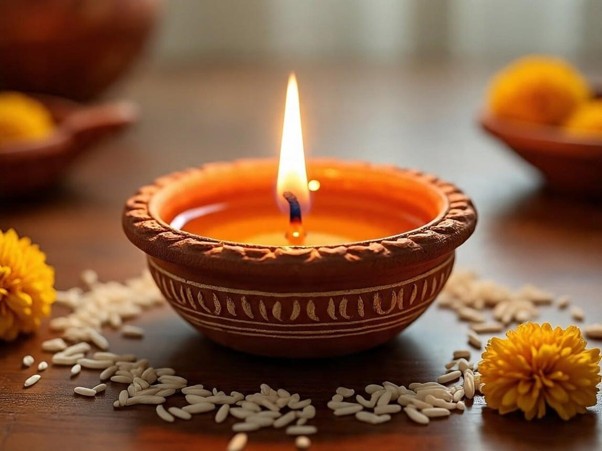
Lighting oil lamps or ghee lamps is a central ritual.
The lamp symbolizes:
- Knowledge over ignorance
- Hope over darkness
- Faith over fear
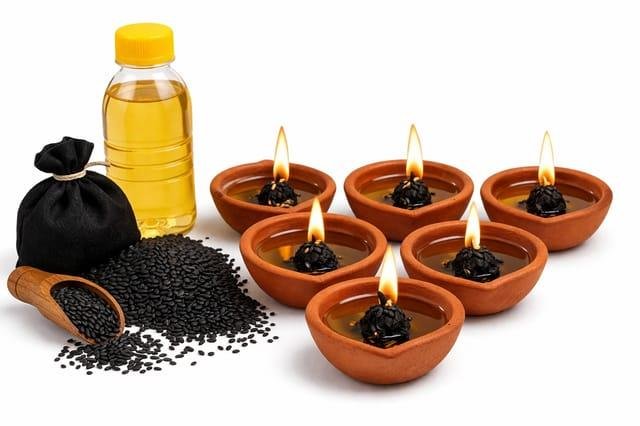
iv) Pitru Tarpan
This is one of the most important Amavasya rituals.
Water mixed with:
- Black sesame seeds
- Flowers
- Rice
is offered to ancestors with prayers.
This ritual expresses gratitude and remembrance.
v) Fasting
Many devotees keep:
- Full fast
- Fruit fast
- Simple vegetarian meals
Fasting is believed to:
- Increase self-control
- Purify the body
- Improve spiritual concentration
vi) Temple Visits
Devotees visit temples dedicated to:
- Lord Shiva
- Vishnu
- Hanuman
- Goddess Kali
- Goddess Lakshmi
Special prayers are offered for peace and blessings.
vii) Meditation and Silence
Many spiritual practitioners spend extra time in:
- Meditation
- Yoga
- Silence
- Scriptural reading
Amavasya is ideal for calming the mind.
8. WHY SHOULD BE OBSERVE OR CELEBRATE AMAVASYA
Some people ask why Amavasya should be observed at all.
The answer lies in its deeper purpose.
Amavasya teaches:
- Gratitude
- Humility
- Self-discipline
- Compassion
- Spiritual awareness
Unlike celebrations focused only on enjoyment, Amavasya encourages inner development.
i) It Creates Gratitude
Remembering ancestors reminds people that their lives are built upon sacrifices made by earlier generations.
ii) It Encourages Charity
Helping others reduces selfishness and increases empathy.
iii) It Brings Mental Peace
Prayer, silence, and meditation reduce stress and anxiety.
iv) It Strengthens Family Values
Families often gather for rituals and prayers, strengthening cultural identity and unity.
v) It Helps Spiritual Growth
Amavasya creates an opportunity to disconnect from material distractions and reconnect with spiritual values.
9. THE IMPORTANCE OF DAAN ON AMAVASYA
I) What is Daan?
Daan means giving or charity. In Hindu philosophy, daan is not just donation—it is an act of selflessness and compassion.
True daan should be:
- Done with humility
- Given without pride
- Offered sincerely
- Performed without expecting rewards
The spiritual idea behind daan is reducing attachment and helping society.
10. LIST OF AMAVASYA DATES IN 2026
| SR. NO. | MONTH | DATE | DAY |
|---|---|---|---|
| 1. | JANUARY | 18 JANUARY 2026 | SUNDAY |
| 2. | FEBRUARY | 17 FEBRUARY 2026 | TUESDAY |
| 3. | MARCH | 18 MARCH 2026 | WEDNESDAY |
| 4. | APRIL | 17 APRIL 2026 | FRIDAY |
| 5. | MAY | 16 MAY 2026 | SATURDAY |
| 6. | JUNE | 14 JUNE 2026 | SUNDAY |
| 7. | JULY | 14 JULY 2026 | TUESDAY |
| 8. | AUGUST | 12 AUGUST 2026 | WEDNESDAY |
| 9. | SEPTEMBER | 10 SEPTEMBER 2026 | THURSDAY |
| 10. | OCTOBER | 10 OCTOBER 2026 | SATURDAY |
| 11. | NOVEMBER | 9 NOVEMBER 2026 | MONDAY |
| 12. | DECEMBER | 9 DECEMBER 2026 | WEDNESDAY |
11. CONCLUSION
Amavasya is a day of reflection, gratitude, remembrance, and generosity. By praying, honoring ancestors, practicing self-discipline, and helping others through sincere acts of charity, many people find it a meaningful opportunity for spiritual growth and compassion. The true value of Amavasya lies not only in rituals, but also in cultivating kindness, humility, and service toward others.
12. WRAPPING UP
Many spiritual traditions regard Anna Daan (feeding the hungry) as one of the highest forms of charity because it immediately supports another person’s well-being. Beyond food, the most meaningful charity is one that relieves genuine suffering—whether through education, healthcare, clothing, or compassionate service.
You still have any question, feel free to ask me via comments or via email.
Don`t forget to share what you like here on
Youtube,
Facebook, Instagram with your friends and family.
At DivineNewz, a spiritual and temples news related information providers, is working on the project to work for religion and information about the temples to share with you to bring new ideas about spiritual and religious world.
If you want article on any other religious specific topic then post the comment i will write on that topic.
Get in touch with DivineNews by contacting by divinenewz6@gmail.com/ For more information, please visit:
https://www.divinenewz.com
ARTICLE WRITTEN BY:
Divinenewz is a firm Working very proficiently for sharing the divinely knowledge, darshan and pilgrim details and many more in spiritual field. If you have any unique temple and divine place around the globe, then contact us at divinewisdom0608@gmail.com, divinenewz6@gmail.com, or
For more information, please visit:
https://www.divinenewz.com
Follow Us :
1. FACEBOOK: Click Here…..
2. YOUTUBE: Subscribe & Share…..
3. WHATSAPP CHANNEL: Join & Share…..
How Can We Make Our Daan More Meaningful?
A donation becomes more meaningful when it is:
-
Given without expecting anything in return.
- Offered respectfully and without humiliating the recipient.
- Made according to your capacity.
- Directed toward genuine needs.
- Accompanied by kindness and compassion.
- Given with gratitude rather than obligation.
Even a small donation made with sincerity can have a meaningful impact
What Foods Are Commonly Donated on Amavasya?
Popular food donations include:
- Rice
- Wheat
- Lentils (Dal)
- Fruits
- Milk
- Cooked meals
- Jaggery
- Sesame seeds
- Flour
- Groceries for needy families
What Should We Avoid on Amavasya?
- Avoid unnecessary arguments or anger.
- Refrain from harming living beings.
- Limit excessive material indulgence.
- Avoid wasting food or resources.
- Focus on prayer, charity, and peaceful conduct.
What Is the Greatest Charity on Amavasya?
Many spiritual traditions regard Anna Daan (feeding the hungry) as one of the highest forms of charity because it immediately supports another person’s well-being. Beyond food, the most meaningful charity is one that relieves genuine suffering—whether through education, healthcare, clothing, or compassionate service.
How Can We Make Our Daan More Meaningful?
A donation becomes more meaningful when it is:
- Given without expecting anything in return.
- Offered respectfully and without humiliating the recipient.
- Made according to your capacity.
- Directed toward genuine needs.
- Accompanied by kindness and compassion.
- Given with gratitude rather than obligation.
What Foods Are Commonly Donated on Amavasya?
What Should We Avoid on Amavasya?
What Is the Greatest Charity on Amavasya?
Many spiritual traditions regard Anna Daan (feeding the hungry) as one of the highest forms of charity because it immediately supports another person’s well-being. Beyond food, the most meaningful charity is one that relieves genuine suffering—whether through education, healthcare, clothing, or compassionate service.
